
REVIEW · ROTORUA TOURS
Rotorua: Te Rā Guided Experience + Haka
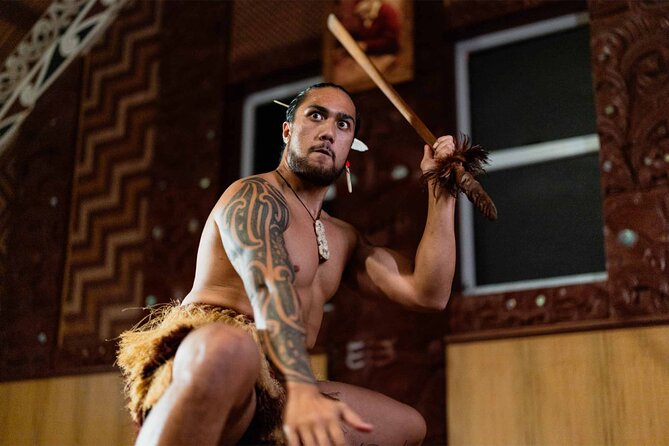
Rotorua’s earth puts on a show. This roughly two-hour experience pairs a guided walk through Te Puia’s geothermal valley with Māori carving, weaving, kiwi conservation, and a cultural performance in the carved meeting house, Te Aronui a Rua. I like the way it brings natural wonders and living culture into one compact visit. I also like that guides such as Pat add warmth and personal care, not just facts. The main consideration is time: with so much packed in, you will get a strong introduction rather than a slow, unhurried look at every part of Te Puia.
You will see Pōhutu Geyser, visit the Kiwi Conservation Centre, and pass through the New Zealand Māori Arts and Crafts Institute. The pōhiri, waiata, mōteatea, poi, and haka give the visit a memorable cultural focus. The $83.78 price is reasonable if you want both the guided geothermal visit and performance, though meals and drinks are not included.
In This Review
- Key points at a glance
- Why this Rotorua combination works
- Beginning at 20 Hemo Road
- Walking through the geothermal valley
- Meeting the kiwi at the conservation centre
- Seeing Māori arts at the institute
- Entering Te Aronui a Rua for the performance
- The guides can shape the whole visit
- Is $83.78 good value?
- Who should book this experience?
- Practical details before you book
- Should you book Te Rā Guided Experience plus Haka?
- FAQ
- Where does the experience start?
- Where does the experience finish?
- How long does the experience last?
- What natural attraction is included?
- Is the Kiwi Conservation Centre included?
- What Māori arts are included in the visit?
- What does the cultural performance include?
- Are meals and drinks included?
- What is the maximum group size?
- Can I cancel for a full refund?
Key points at a glance
- Pōhutu Geyser is the natural headline: Your guided route includes Rotorua’s famous geothermal spectacle, and timing may allow you to see it erupt.
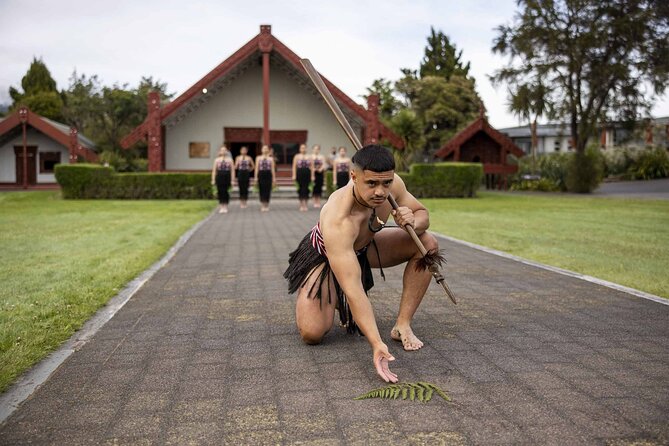
- The haka is part of a wider cultural welcome: Expect a pōhiri, waiata, mōteatea, poi, and haka rather than a performance detached from its setting.
- Te Puia connects culture with working arts: The visit includes wood carving, bone and stone carving, flax weaving, and the Āhua Gallery.
- The kiwi visit adds conservation: The Kiwi Conservation Centre gives the tour a quieter wildlife focus beside the geothermal valley.
- Pat earned special praise: One visitor singled out his care, humor, and clear explanations, along with seeing a baby kiwi.
- The format suits a tight schedule: The experience lasts about two hours and returns you to the starting point, but it is not designed for a leisurely full-day visit.
Why this Rotorua combination works
Rotorua can feel like two destinations at once. One is shaped by boiling mud, steam, and geysers. The other is Māori, expressed through carving, weaving, song, ceremony, and ancestral stories. Te Rā links those two sides in a way that makes practical sense for a first visit.
The guided portion lasts about 90 minutes and takes you through the geothermal valley. Your route includes Pōhutu Geyser, the Kiwi Conservation Centre, and the New Zealand Māori Arts and Crafts Institute. The cultural performance then adds a second layer, giving you a formal welcome and a chance to see Māori performing arts in a purpose-built meeting house.
I like this pairing because neither side is treated as a quick photo stop. The geothermal valley is not simply a backdrop for steam. Your kaiārahi, or guide, explains Māori traditions, heritage, and ancestral stories as you move through the site. The performance is not simply a staged haka dropped into a sightseeing schedule. It begins with a pōhiri, a traditional welcome, and includes several forms of song, chant, movement, and performance.
That makes this a good choice if you want an introduction with some substance but do not have time for a longer visit. You will need to accept a brisk pace. The entire activity is listed at approximately two hours, and that does not leave much room for lingering at each stop.
A few more to weigh up in Rotorua
- Rotorua Canopy Tours: 2.5Hour Native Forest Zipline Adventure
★ 5.0 · 4,563 reviews - Mitai Maori Village: Cultural Experience and Dinner Buffet
★ 4.7 · 3,575 reviews - Rotorua: Wai-O-Tapu Geothermal Park Entry Ticket
★ 4.6 · 2,601 reviews
Beginning at 20 Hemo Road
You start and finish at 20 Hemo Road, Whakarewarewa, Rotorua 3010. The activity is near public transportation, so you do not need to treat it as a remote outing. The same location serves as the return point, which keeps the day simple.
The maximum group size is 36 people. That is not an intimate private tour, but it is still small enough for a guide-led visit rather than a huge crowd moving through the site. A group of this size can affect how easily you hear the guide, especially outdoors around geothermal activity, so staying reasonably close to the kaiārahi is sensible.
Check-in received high praise from one visitor, who found it efficient and friendly. That matters here because the schedule is compact. A slow start would cut into the guided route or performance time.
Confirmation is sent within 48 hours of booking, subject to availability. If your Rotorua schedule is tight, leave room for that confirmation before making the rest of your plans fixed.
Walking through the geothermal valley
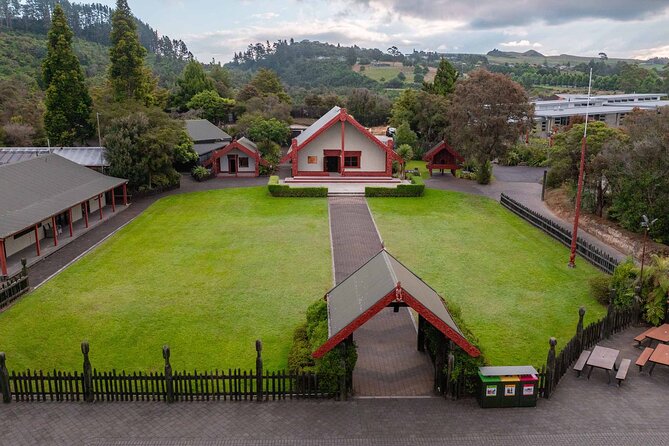
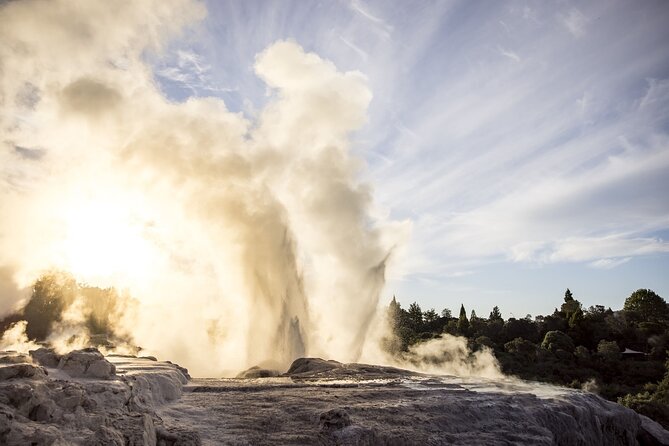
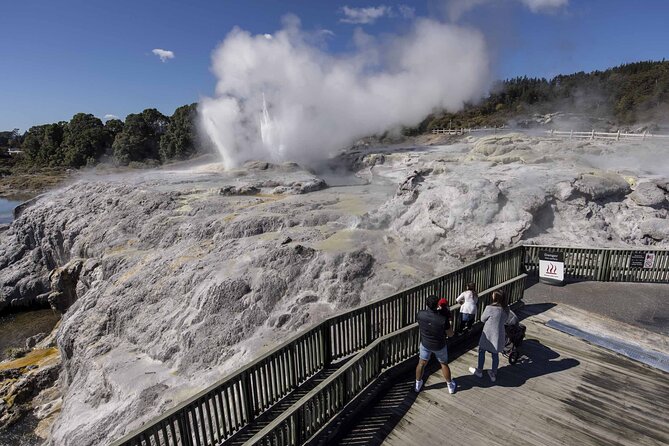
The Te Rā guided experience takes you through a geothermal valley where the ground itself provides the drama. The main draw is Pōhutu Geyser, one of the best-known sights at Te Puia. Steam, hot water, and geothermal force make this more than a standard park walk.
One visitor reported seeing the geyser erupt during the visit. You should not treat that as a guaranteed show at a precise moment, but it illustrates the appeal of having a guide with you. The guide can place what you are seeing into the wider setting and help you understand why this valley matters.
The geothermal section also gives the tour its sense of place. You are not looking at an isolated attraction inside a building. The route connects the earth, Māori heritage, and the arts institute within one site.
Wear footwear suitable for walking, since the experience includes a guided route through the valley. The supplied details do not specify the exact terrain or the amount of walking, so you should avoid assuming that every section is effortless. Most people can participate, but anyone concerned about mobility should check the current arrangements before booking.
Meeting the kiwi at the conservation centre
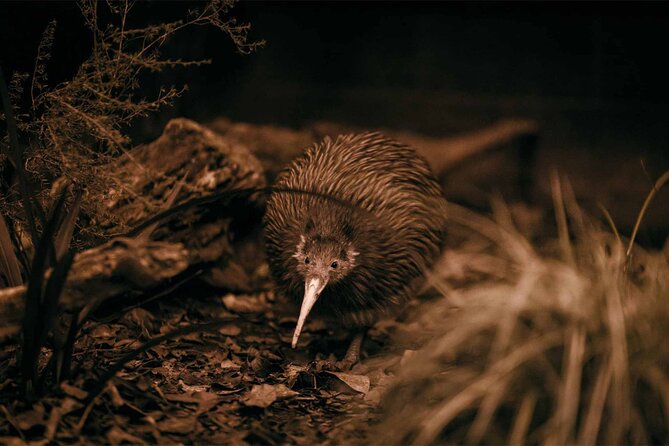
The Kiwi Conservation Centre changes the mood. After the noise and motion of the geyser, a conservation visit offers a quieter look at one of New Zealand’s best-known native birds.
A visitor described seeing a baby kiwi, which became one of the highlights of the day. That is a reminder that the centre can offer a close look at wildlife at different stages of development, although you should not expect a particular bird or age group to appear during every visit.
The value here is not just the chance to see a kiwi. The centre gives the tour a conservation angle, so the visit is not limited to scenery and performance. You get a better sense of the work involved in protecting native wildlife.
This stop may appeal especially to families and anyone who wants more variety than a geothermal walk alone. Keep your expectations measured, though. The supplied information does not promise a set viewing time or guaranteed sightings beyond the centre visit itself.
A completely different sort of day out:
- Rotorua’s Ultimate Zipline: 6 ziplines, 400 m Tandem, Cliff Walk
★ 5.0 · 2,557 reviews - Rotorua Rafting: Kaituna River White Water Rafting & Free Sauna
★ 5.0 · 1,952 reviews - Cultural Experience & Seasonal Māori Cuisine at Te Pā Tū
★ 5.0 · 1,546 reviews - Mitai Maori Village Cultural Experience in Rotorua
★ 4.5 · 1,294 reviews
Seeing Māori arts at the institute
The New Zealand Māori Arts and Crafts Institute is the cultural heart of the guided route. The listed visit includes a wood carving school, bone and stone carving school, flax weaving school, and the Āhua Gallery.
The word school matters. This is presented as a place where Māori arts are taught and practiced, not merely displayed as old objects behind glass. You can connect the finished work with the skills and patience behind it.
Wood carving gives you a look at one of the most recognizable Māori art forms. Bone and stone carving broaden that view by showing how different materials shape different methods and results. Flax weaving adds another side of Māori craft, with plant material transformed into useful and decorative work.
The Āhua Gallery provides another point of focus. The details supplied do not describe its individual exhibits, so I would treat it as a useful part of the arts visit rather than plan around a specific display.
The itinerary lists 30 minutes for this stop. That is enough for an introduction, but not enough for a slow examination of every school and gallery. If you are especially interested in carving or weaving, you may wish you had more time. The advantage is that the short visit keeps the full program moving and lets you reach the performance within the same booking.
Entering Te Aronui a Rua for the performance
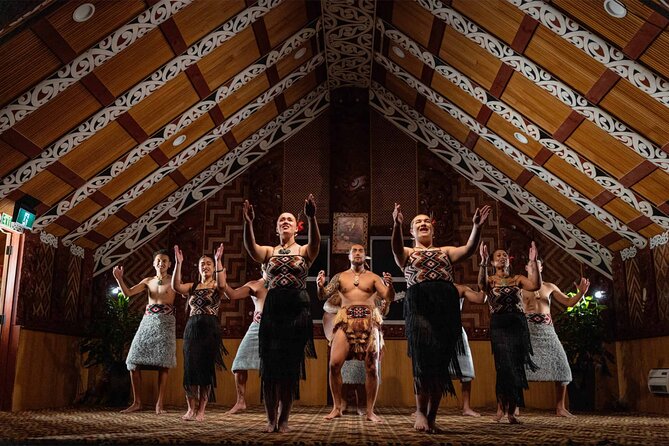
The cultural performance takes place in Te Aronui a Rua, a beautifully carved meeting house. The setting matters. A haka performed in a dedicated meeting house has a different feel from a brief stage number inserted into a general entertainment program.
The performance includes:
- A pōhiri, or traditional Māori welcome
- Waiata, or song
- Mōteatea, a traditional chant
- Poi
- Haka
Taken together, these elements give you a broader picture of Māori performing arts. The haka is likely to be the moment many people remember, but it should not be viewed alone. The welcome, songs, chant, and poi show different forms of expression, rhythm, movement, and storytelling.
One visitor described the cultural experience at Rotowhio Marae as a special part of the day. The supplied details identify Te Aronui a Rua as the meeting house for this performance, so you should expect a formal cultural setting rather than an informal outdoor demonstration.
The performance also gives you a chance to pause after the walking portion. That balance works well: first you move through the valley and institute, then you sit and take in a structured presentation.
If you have never attended a Māori cultural performance, listen closely to the guide and performers rather than treating it as a photo opportunity. The value is in understanding the welcome and the meaning behind the forms, not just waiting for the haka.
The guides can shape the whole visit
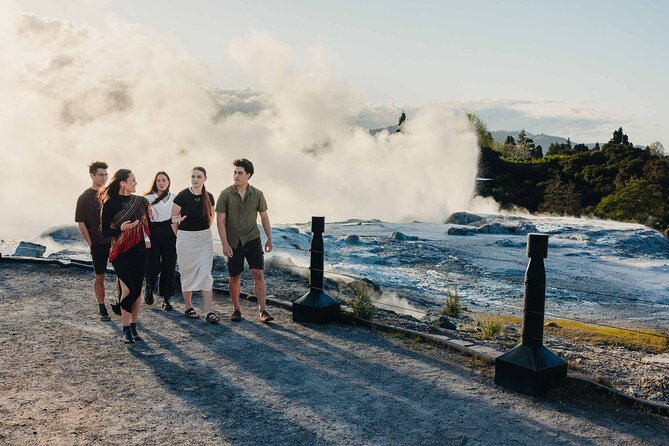
The guide is especially important on a compact experience. You have only a limited amount of time to understand a geothermal valley, arts institute, conservation centre, and cultural performance. A good kaiārahi keeps the schedule on track while making the information feel connected.
Pat received particularly warm praise for being informative, entertaining, and attentive to the whole group. One visitor also credited him with making sure everyone was comfortable while still keeping the experience enjoyable. That kind of care matters more than a long list of facts.
You may not have Pat as your guide, so do not book on the assumption that he will lead your departure. Still, his example shows the standard this experience can reach. The best guide will help you move between the natural and cultural parts without making them feel like unrelated stops.
The first visit also praised the efficient check-in and the guide’s explanation of Pōhutu Geyser and the cultural experience. Those are useful strengths for anyone who wants a visit that feels organized from the start.
Is $83.78 good value?
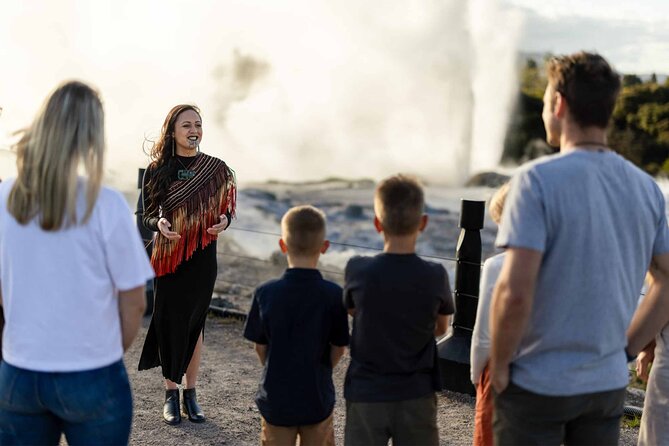
At $83.78 per person, this is not a low-cost walk, but it includes a substantial mix of activities. Admission is included, and you receive a guided geothermal visit, access to the arts institute, the Kiwi Conservation Centre, and the cultural performance.
I see the price as fair if you want a ready-made introduction to Te Puia. Booking the elements together saves you from sorting out separate admission and performance arrangements. It also gives the visit a clear flow.
The value is weaker if you mainly want to see a geyser and take a few photographs. For that narrow goal, the guided cultural material and performance may be more than you need. It is also less suitable if you want to spend a whole day studying the carving schools or walking slowly through the valley.
Food and drinks are not included. Plan to eat separately, especially if this activity sits between other Rotorua plans. The supplied information does not state that meals are available during the experience, so do not count on refreshments being part of the booking.
Who should book this experience?
I would recommend Te Rā Guided Experience plus Haka to you if you want several of Rotorua’s main cultural and natural sights in one organized visit. It fits well for a first-time visit, a short stay, or a day when you want a clear two-hour activity rather than a loose collection of stops.
It is also a strong match for families, since the geyser, kiwi centre, crafts, and performance offer different kinds of interest. Most people can participate, and service animals are allowed.
You may want another option if you prefer a private tour, a very slow pace, or long stretches of independent exploration. A maximum of 36 people means the experience has a group-tour feel. The short schedule also means you should be ready to move from one part to the next.
The 91 percent recommendation rate and 4.8 rating from 11 reviews suggest a strong response, though the sample is small. I would place more weight on the specific strengths described: smooth check-in, strong guides, a geyser eruption, a baby kiwi sighting, and a memorable cultural performance.
Practical details before you book
The experience lasts approximately two hours. The guided Te Rā portion is described as a 90-minute tour, followed by the cultural performance, although the exact order and timing may vary.
You meet at 20 Hemo Road in Whakarewarewa, Rotorua, and return to that same meeting point. The location is near public transportation.
Most people can participate, and service animals are allowed. The group can include up to 36 people.
Confirmation arrives within 48 hours of booking, subject to availability. Free cancellation is available if you cancel at least 24 hours before the local start time. Cancellations or changes made less than 24 hours ahead are not refunded or accepted.
Should you book Te Rā Guided Experience plus Haka?
Book it if you want Rotorua’s geothermal power and Māori culture in one focused visit. The combination of Pōhutu Geyser, the kiwi centre, carving and weaving schools, and the performance in Te Aronui a Rua gives you much more range than a simple sightseeing stop.
I would be especially happy with this choice if my time in Rotorua were limited. I would arrive ready to walk, keep an eye on the schedule, and plan food before or after. If you want a relaxed, specialist visit with lots of time for one subject, choose something less packed. If you want a well-organized introduction with a strong cultural center, this is a sound booking.
FAQ
Where does the experience start?
It starts at 20 Hemo Road, Whakarewarewa, Rotorua 3010, New Zealand.
Where does the experience finish?
The activity ends back at the meeting point at 20 Hemo Road.
How long does the experience last?
The experience lasts approximately two hours. The guided Te Rā portion is described as a 90-minute tour.
What natural attraction is included?
The guided route includes a visit to Pōhutu Geyser in the geothermal valley.
Is the Kiwi Conservation Centre included?
Yes. The Kiwi Conservation Centre is part of the Te Rā guided experience.
What Māori arts are included in the visit?
The arts institute portion includes a wood carving school, bone and stone carving school, flax weaving school, and the Āhua Gallery.
What does the cultural performance include?
The performance includes a pōhiri, waiata, mōteatea, poi, and haka.
Are meals and drinks included?
No. Meals and beverages are not included in the price.
What is the maximum group size?
The activity has a maximum of 36 travelers.
Can I cancel for a full refund?
Yes, if you cancel at least 24 hours before the experience start time. Cancellations made less than 24 hours before the start time are not refunded.
Just added in Rotorua
- From Rotorua: Whirinaki Rainforest Guided Cultural Tour★ 5.0 · 6 reviews
- Whakarewarewa: Self-Guided Geothermal Trails★ 4.5 · 41 reviews
- Rotorua: Waimangu Volcanic Valley Entry Ticket★ 4.8 · 129 reviews
- Rotorua Sledging White Water Sledging | Kaitiaki Adventures★ 5.0 · 90 reviews
- Wonderworld Rotorua – New Zealand’s leading maze park★ 5.0 · 11 reviews
- White Island & Mount Tarawera Floatplane Adventure★ 5.0 · 8 reviews
- Whirinaki Forest Footsteps: Māori Guided Tour, Picnic & Transfer★ 5.0 · 5 reviews
- Rotorua to Auckland Afternoon Transfer with Waitomo Glow Worms★ 4.5 · 22 reviews
Rotorua Tours, compared.
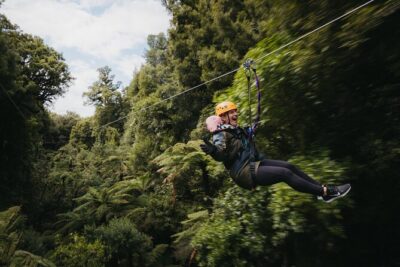
Rotorua Canopy Tours: 2.5Hour Native Forest Zipline Adventure
Read our review →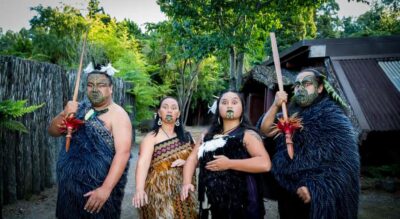
Mitai Maori Village: Cultural Experience and Dinner Buffet
Read our review →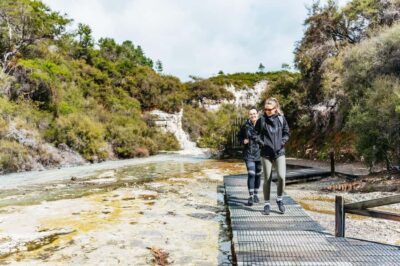
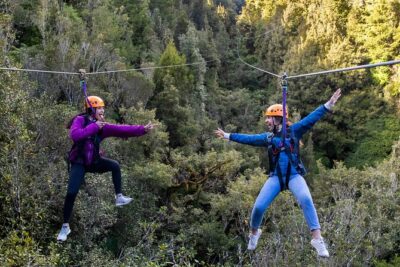
Rotorua’s Ultimate Zipline: 6 ziplines, 400 m Tandem, Cliff Walk
Read our review →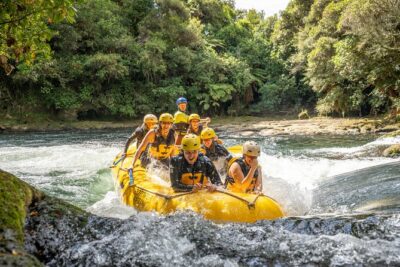
Rotorua Rafting: Kaituna River White Water Rafting & Free Sauna
Read our review →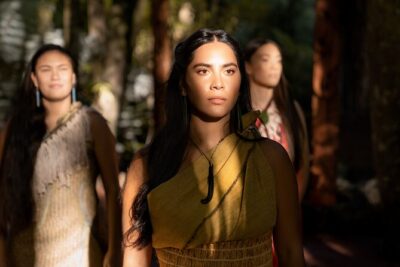
Cultural Experience & Seasonal Māori Cuisine at Te Pā Tū
Read our review →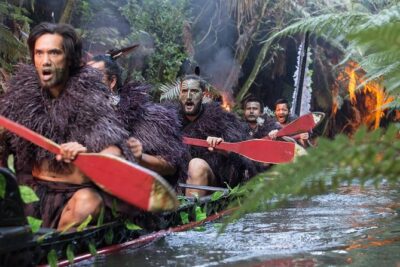
Mitai Maori Village Cultural Experience in Rotorua
Read our review →
Rafting Rotorua: Kaituna River White Water Experience
Read our review →Browse the lists this tour appears in