
REVIEW · MAORI CULTURAL EXPERIENCES
Rotorua: Whakarewarewa Village Guided Tour
Hot springs are part of daily life here. Whakarewarewa The Living Māori Village gives you a direct look at Māori life shaped by geothermal forces, not just a walk past steaming ground. I especially like the guides’ family ties to the village and the chance to taste corn cooked in a mineral spring. The only drawback is the short one-hour format, which can feel brisk if you want a long look at every site.
This is a strong Rotorua choice for personal storytelling and geyser views. Guides such as Daniel, Faye, Teeao, and Keighly have been praised for their warmth, humor, and command of local traditions. You should also know that the tour is outdoors in all weather, and you may not see every geothermal feature at its best on every visit.
In This Review
- Key points to know before you go
- Why Whakarewarewa feels different from a standard geothermal stop
- Starting at the Geyser Café and admissions building
- The five-minute safety briefing
- Geothermal cooking, bathing, and heating
- Pōhutu geyser and the best viewing points
- Historic buildings and Māori community life
- The guides make or break the hour
- What the one-hour schedule feels like
- Is the $28 price good value?
- Who should book this experience
- Practical tips for a better visit
- Should you book the Whakarewarewa Guided Tour?
- FAQ
- How long is the Whakarewarewa Village Guided Tour?
- How much does the tour cost?
- What is included in the tour?
- Where does the tour begin?
- How early should I arrive?
- Is the tour offered in English?
- Is the tour wheelchair accessible?
- Does the tour operate in bad weather?
- What should I bring?
- Can I cancel the tour for a refund?
Key points to know before you go
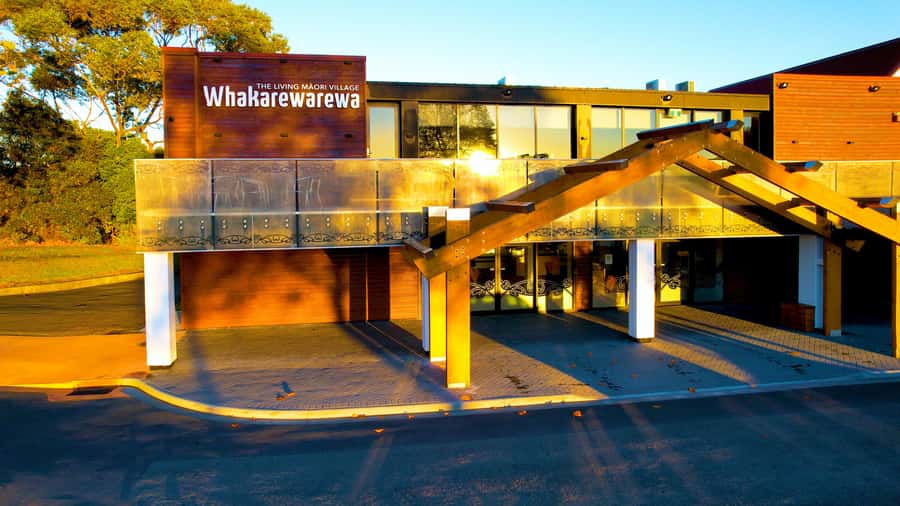
- The village still uses geothermal heat: Cooking, bathing, and home heating are explained as practical parts of life, not merely old customs.
- Family connections shape the guiding: Guides are descendants of Māori guides who helped introduce visitors to New Zealand for generations.
- Pōhutu geyser is viewed from lookouts: You get broad views across the geothermal valley, though another Rotorua attraction may bring you closer.
- Freshly cooked corn is included: A cob is cooked in a hot mineral pool and served as a small but memorable tasting.
- The hour covers a lot: Expect a safety briefing, village stories, geothermal sights, and historic landmarks in a compact visit.
- It works in all weather: Comfortable shoes and clothing suited to outdoor conditions matter more than dressing up.
Why Whakarewarewa feels different from a standard geothermal stop
Rotorua has no shortage of boiling mud, steam, and erupting water. What makes Whakarewarewa The Living Māori Village different is the connection between those natural features and ordinary life.
You are not simply looking at a hot pool and moving on to the next viewpoint. Your guide explains how geothermal heat has been used for cooking, bathing, and heating homes for centuries. That practical angle gives the tour a human scale. Steam vents are no longer just dramatic scenery. They become part of the reason people settled and stayed in this challenging part of the North Island.
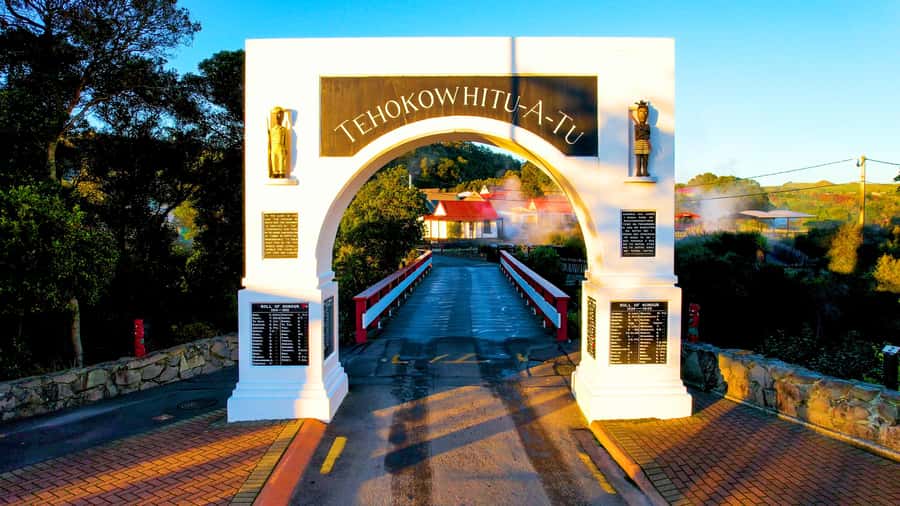
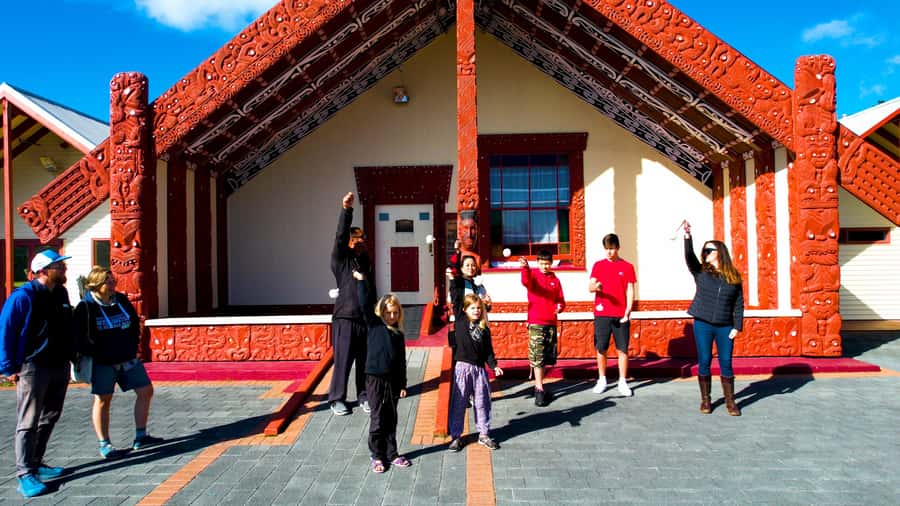
The village is also an active Māori community. You see an active marae, or meeting ground, along with churches, a World War II memorial archway, and tapu burial grounds. These places help connect Māori customs, family life, faith, and remembrance.
I find that combination more useful than a purely scenic visit. You leave with a clearer idea of how people adapted to the geothermal plateau, and why this particular place matters beyond its geysers.
More Maori cultural experiences in Rotorua:
- Mitai Maori Village: Cultural Experience and Dinner Buffet
★ 4.7 · 3,575 reviews - Cultural Experience & Seasonal Māori Cuisine at Te Pā Tū
★ 5.0 · 1,546 reviews - Mitai Maori Village Cultural Experience in Rotorua
★ 4.5 · 1,294 reviews
Starting at the Geyser Café and admissions building
Your visit begins near the Geyser Café. Arrive 15 minutes before the scheduled start, then exchange your voucher at the admissions building before the tour begins.
That small bit of planning matters. The tour has a fixed one-hour duration, so arriving late could mean missing the safety briefing or needing to catch up with the group. You can use the café area to get organized before heading out, and the village also has a shop where you might find clothing and other items.
The meeting point is practical rather than grand. The real experience begins once your guide gathers the group and explains how to move safely around the geothermal features.
The five-minute safety briefing
The tour opens with a safety briefing of about five minutes. It may seem routine, but here the ground is genuinely active. You are walking near boiling pools, bubbling water, steam vents, and geysers, so staying with the group and following instructions is important.
This is also a reminder that the village is not a staged replica built around a few displays. Geothermal heat is part of the setting, and the hazards are real. Wear comfortable shoes with a good grip, and keep your camera ready without letting it distract you from where you are stepping.
The supplied guidance recommends bringing a camera and a face mask or protective covering. The tour takes place outdoors in all weather, so a light rain layer or sun protection is sensible, depending on the forecast.
Geothermal cooking, bathing, and heating
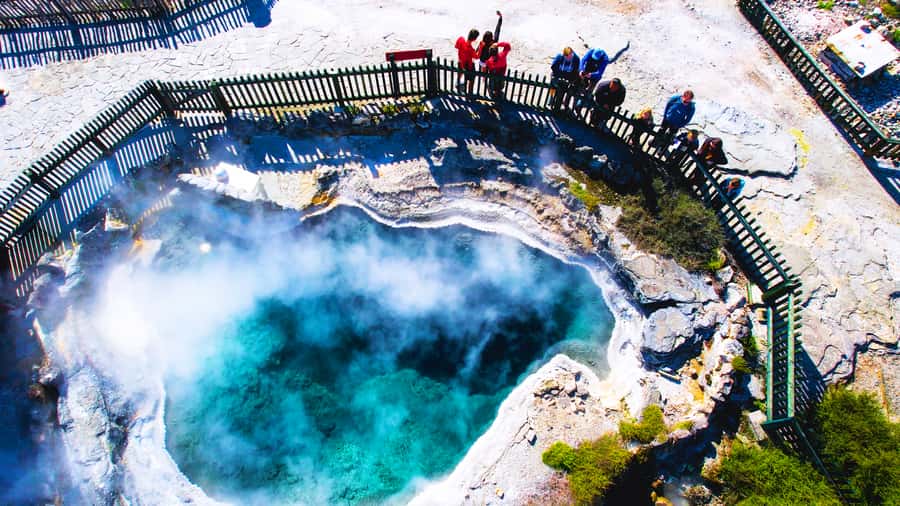
The most memorable part of the experience is the way geothermal activity fits into everyday routines. Your guide explains how bubbling pools and steam vents can cook food, while warm mineral water provides a place to bathe.
The included corn on the cob makes this idea tangible. In some tours, the guide brings corn out of a hot mineral pool and serves it to the group. It is simple, hot, and surprisingly effective as a demonstration. Several guides have made this moment part of the tour, and it is often one of the details people remember most.
You should not mistake this for a full meal. It is a tasting, not lunch. Still, the corn gives you a direct sense of how the village uses its natural resources. It turns a lesson into something you can see, smell, and eat.
The geothermal setting also explains why daily life here requires care. Hot water and steam are useful, but they can be dangerous. The guide’s job is not only to tell stories, but also to help you understand how people live alongside such powerful natural heat.
A few more to weigh up in Rotorua
- Rotorua Canopy Tours: 2.5Hour Native Forest Zipline Adventure
★ 5.0 · 4,563 reviews - Rotorua: Wai-O-Tapu Geothermal Park Entry Ticket
★ 4.6 · 2,601 reviews - Rotorua’s Ultimate Zipline: 6 ziplines, 400 m Tandem, Cliff Walk
★ 5.0 · 2,557 reviews - Rotorua Rafting: Kaituna River White Water Rafting & Free Sauna
★ 5.0 · 1,952 reviews
Pōhutu geyser and the best viewing points
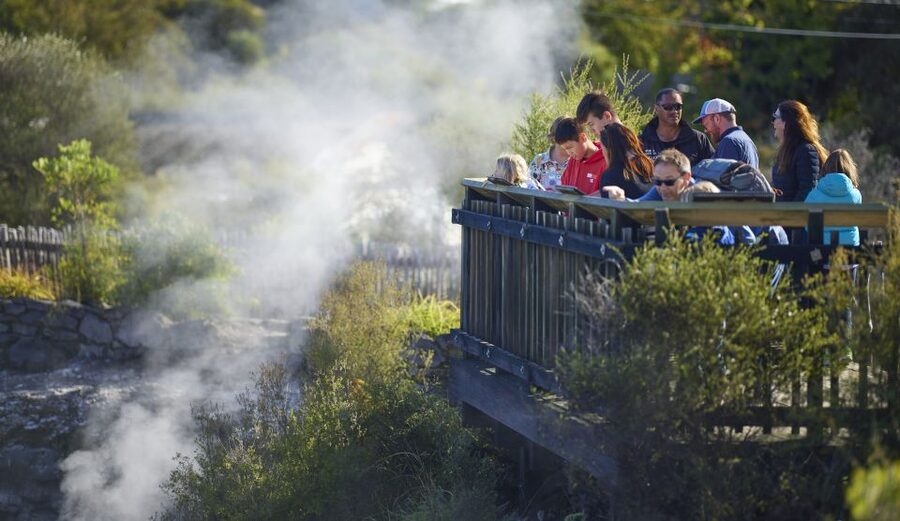
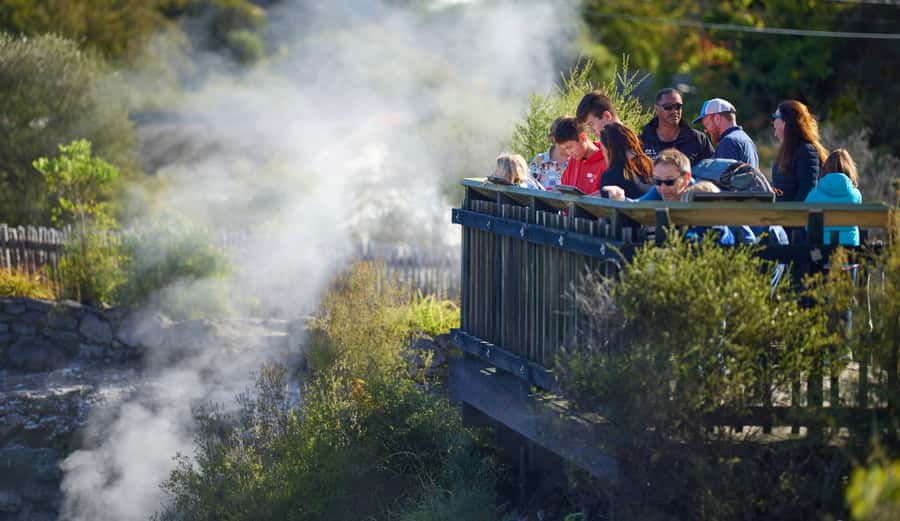
The tour includes views into Whakarewarewa Geothermal Valley, with Pōhutu geyser as the major attraction. From the village lookouts, you can take in the geysers, steam, bubbling pools, and changing colors of the mineral deposits.
The views are broad rather than close-up. One useful comparison from the tour experience is that Te Puia may bring you nearer to the geysers, while the view from Whakarewarewa can be less obstructed by steam at certain times. Conditions change, so you should not expect the same display every time.
That variation is part of geothermal country. You may see a geyser erupting during your visit, or you may mainly see steam and active pools. Either way, the lookout gives you a better sense of how many geothermal features sit together in one valley.
The silica formations are another visual highlight. These pale mineral deposits are created by geothermal water over time, and they add a strange, almost sculpted quality to the ground. They are easy to appreciate as scenery, but the guide’s explanation gives them greater meaning.
Historic buildings and Māori community life
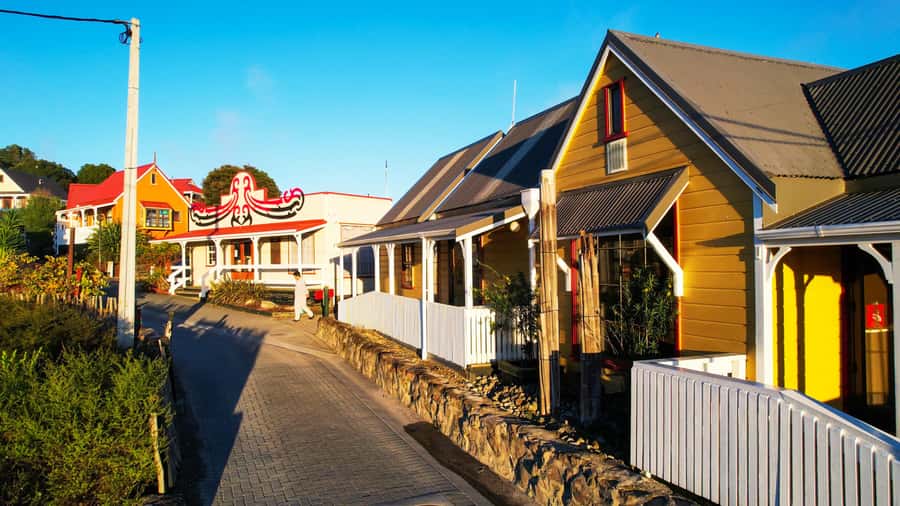
The village tour does not stop with natural attractions. You also pass historic landmarks and buildings that show how the community has developed around this place.
The marae is especially important. It is an active meeting ground and a focal point for Māori communities, so it should be treated with respect. Your guide provides the context needed to understand why it is more than a photogenic building.
The WWII Memorial Archway and historic churches add further layers to the visit. The tapu burial grounds are sacred, and this is an area where you should follow the guide’s directions carefully. The tour gives you a chance to see these places while learning how family, belief, community, and remembrance fit together.
I appreciate that the village is presented through its people and customs, rather than as a collection of museum pieces. The setting is living and personal. That also means you should listen closely and avoid treating every part of the village as an unrestricted photo stop.
The guides make or break the hour
The strongest part of this experience is the guiding. The guides are direct descendants of early Māori guides who have shared Rotorua with visitors for generations. That family link matters because the stories are connected to lived experience and local memory.
Daniel has been praised for his enthusiasm, humor, singing, and ability to answer questions. Faye has been described as warm, funny, and able to speak about the village as someone who still lives there. Teeao has been noted for careful, thorough explanations, while Keighly has shared Māori heritage and culture with clear passion.
You may have a different guide, but the standard people hope for is clear: a personal presentation that explains both the facts and the meaning behind them. The best guides make the hour feel like a conversation, not a recited script.
Some tours may also include a blessing or a dance performance, but you should not book this one expecting a full cultural show. The core product is the guided village and geothermal visit. If music and dance are especially important to you, check the available options at the time of booking.
What the one-hour schedule feels like
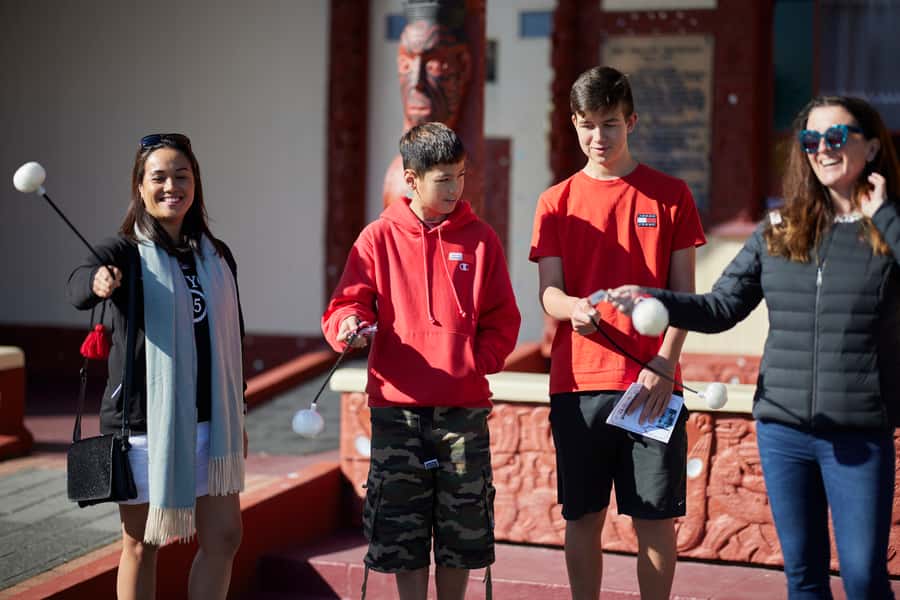
An hour is enough to get a strong introduction, but it is not enough for a leisurely exploration of every corner. After the five-minute safety briefing, the group moves through the village and geothermal area with the guide setting the pace.
You will hear about village life, see hot pools and steam vents, look toward Pōhutu geyser, and pass significant buildings and sites. The tour is compact and focused. That makes it easy to fit into a busy Rotorua day, especially if you are also visiting other thermal areas.
The tradeoff is that you have limited time to pause. If you like to photograph every silica formation or read every sign, the pace may feel quick. Some people have appreciated having free time afterward to explore the village setting at their own pace, but the supplied tour details do not promise a separate self-guided period every time.
For a first visit, I think the length works well. The guide gives you the essential story, and you can decide afterward if you want to spend more time nearby.
Is the $28 price good value?
At $28 per person, this is one of the more accessible ways to combine Māori culture with Rotorua’s geothermal sights. Admission, the guided tour, and the corn tasting are included.
The value comes mainly from the guide. If you only wanted to see geysers, you could choose a geothermal attraction focused more heavily on viewing areas. Here, your payment also covers the explanation of how a community uses the hot ground for food, bathing, and warmth.
The hour keeps the total cost and time commitment modest. Families, first-time Rotorua visitors, and anyone building a day around several activities can all benefit from that. The price may feel less compelling if you want a long cultural performance, a meal, or a full-day visit, since those are not the main focus here.
Free cancellation up to 24 hours before the start and the option to reserve now and pay later add useful flexibility. Those details matter in Rotorua, where weather can change quickly and many people plan several outdoor activities in the same day.
Who should book this experience
I would choose this tour if you want a short but meaningful introduction to Māori culture and geothermal life. It suits families, older visitors, and anyone who prefers a guided explanation instead of wandering through a thermal area without context.
It is also a good fit if you care about authentic community connections. The village is active, the marae has a real role, and the guides’ family ties give the stories a personal quality.
You may want something else if your main goal is a long cultural performance, an extensive hike, or close viewing of every geothermal feature. One person also found that boiling mud was not visible during the visit. That is a useful warning: geothermal activity varies, and a one-hour tour cannot guarantee every feature will be dramatic on the day.
The tour is wheelchair accessible, though the activity remains outdoors and includes geothermal terrain. If mobility is a concern, it is sensible to confirm current route conditions when booking.
Practical tips for a better visit
Arrive early enough to exchange your voucher at admissions without rushing. The tour begins at the Geyser Café area, but the ticket exchange must be completed before the start.
Wear comfortable shoes and bring a camera. Dress for the forecast, but remember that the tour runs in all weather, so a waterproof layer can be useful even on a bright morning.
Keep the corn tasting in mind as part of the experience, not as a substitute for a meal. If you are visiting with children, it can be a fun way to show that the hot pools have a practical role.
Listen carefully around sacred sites and the active marae. You will get more from the visit if you treat the village as a home and community, not just a scenic stop.
Should you book the Whakarewarewa Guided Tour?
Yes, if you want to understand how Māori community life and geothermal forces belong together. The price is fair, the schedule is easy to fit into a Rotorua itinerary, and the guides are the main attraction. Daniel, Faye, Teeao, and Keighly have all shown the kind of warmth and clarity that can turn a short visit into a memorable one.
Book it with realistic expectations. This is a one-hour outdoor introduction, not a full-day cultural program, and the exact geyser or mud-pool activity may vary. For a compact, personal, and educational Rotorua experience with a tasty cob of geothermal-cooked corn, it is a very good choice.
FAQ
How long is the Whakarewarewa Village Guided Tour?
The guided tour lasts one hour, including a safety briefing of about five minutes.
How much does the tour cost?
The listed price is $28 per person.
What is included in the tour?
Admission, the guided tour, and corn on the cob are included.
Where does the tour begin?
The starting location is the Geyser Café. You must exchange your voucher at the admissions building before the tour begins.
How early should I arrive?
You should arrive 15 minutes before the scheduled start time.
Is the tour offered in English?
Yes. The tour includes a live English-speaking guide.
Is the tour wheelchair accessible?
Yes, the activity is listed as wheelchair accessible.
Does the tour operate in bad weather?
Yes. The tour takes place outdoors and operates in all weather conditions.
What should I bring?
Bring comfortable shoes, a camera, and a face mask or protective covering.
Can I cancel the tour for a refund?
Yes. You can cancel up to 24 hours in advance for a full refund. You can also reserve your place and pay later.
Just added in Rotorua
- Te Puia: Tuku Iho Trail with Cultural Show★ 5.0 · 5 reviews
- Te Puia: Te Rā Guided Day Tour + Haka Cultural Performance★ 4.7 · 128 reviews
- Te Puia: Te Pō Indigenous Combo – Tour, Dinner + Haka★ 4.4 · 52 reviews
- Rotorua: Wai Ariki Hot Springs & Spa 1hr Restorative Bathing★ 4.8 · 16 reviews
- Rotorua: White Island, Mount Tarawera & Waimangu Volcanic …★ 4.4 · 5 reviews
- Rotorua: Velocity Valley – NEW Vertigo 43m drop★ 5.0 · 3 reviews
- Rotorua: Volcano Landing and Geothermal Park Helicopter Tour★ 5.0 · 1 review
- Rotorua: Velocity Valley – Two Ride Pass★ 4.6 · 8 reviews
Maori Cultural Experiences, compared.
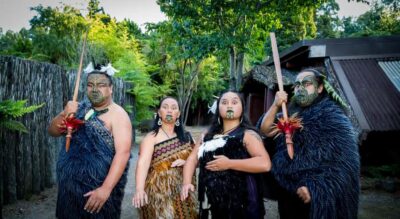
Mitai Maori Village: Cultural Experience and Dinner Buffet
Read our review →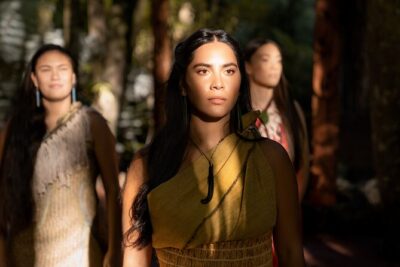
Cultural Experience & Seasonal Māori Cuisine at Te Pā Tū
Read our review →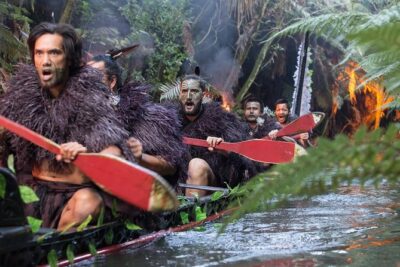
Mitai Maori Village Cultural Experience in Rotorua
Read our review →
Lake Taupo: Classical Sailing to the Māori Rock Carvings
Read our review →
Te Pa Tu Māori Cultural Experience with Dinner
Read our review →
Lake Taupō Māori Rock Carvings Scenic Cruise aboard Ernest Kemp
Read our review →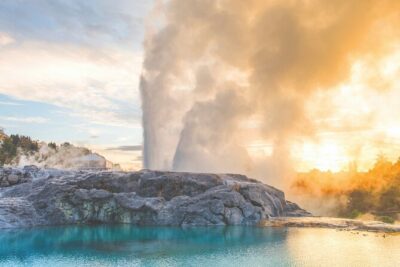
Waitomo Caves & Rotorua – Te Puia Small-Group Tour from Auckland
Read our review →
Lake Taupo: Maori Rock Carvings 10.30 AM 1.5-Hour Cruise
Read our review →Browse the lists this tour appears in