
REVIEW · MAORI CULTURAL EXPERIENCES
Te Puia: Te Rā Guided Day Tour + Haka Cultural Performance
Geothermal fire meets Māori tradition. Te Puia brings together Rotorua’s most famous natural feature, the Pōhutu Geyser, with Māori carving, weaving, kiwi conservation, and a lively cultural performance. I especially like the way the 90-minute guided walk gives the geothermal valley some meaning, rather than leaving you to stare at boiling pools without context. The haka performance also adds real energy and ceremony to what could otherwise feel like a standard sightseeing stop.
The main consideration is time. Two hours is enough for a strong introduction, but not enough for a slow visit to every part of Te Puia. You also need comfortable shoes, sun protection, and a willingness to follow a group. One visitor found the group too large and noisy, while another said the guide Jay was excellent, so the quality of your outing may depend partly on your guide and group.
In This Review
- Key points to know before booking
- Starting at 20 Hemo Road in Rotorua
- Walking through the geothermal valley
- The Kiwi Conservation Centre
- Māori arts at the New Zealand Māori Arts and Crafts Institute
- Entering Te Aronui a Rua for the cultural performance
- What the two-hour format does well
- Is $80 good value?
- Who will enjoy Te Puia most?
- Booking flexibility and practical timing
- Should you book this Te Puia experience?
- FAQ
- Where does the Te Puia tour begin?
- How long does the experience last?
- What language is the tour conducted in?
- What will I see during the guided walk?
- What does the cultural performance include?
- Is food included in the price?
- What should I bring?
- Can I cancel the booking?
Key points to know before booking
- Pōhutu Geyser erupts naturally and regularly: You may have more than one chance to see it during your visit.
- The tour combines nature and living culture: You see geothermal activity, Māori arts, kiwi conservation, and performance in one compact visit.
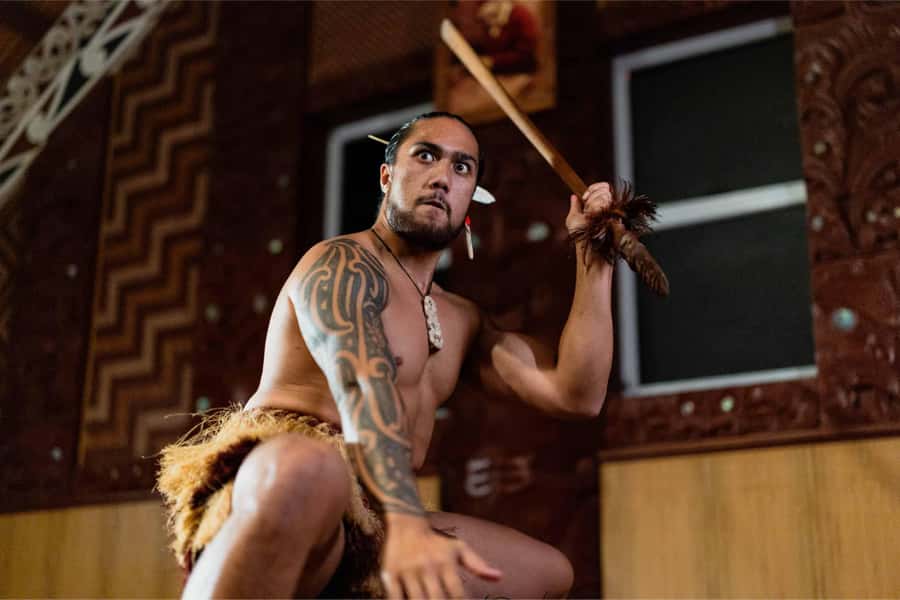
- The cultural show lasts 30 minutes: Expect a pōhiri welcome, waiata, mōteatea, poi, and haka inside Te Aronui a Rua.
- The kiwi centre is a highlight: Kiwi are protected here, but photography of the birds is not allowed.
- The arts institute gives the visit lasting value: You learn about carving and other Māori skills, including the school founded in the 1920s.
- Plan for walking and sun: Wear sturdy shoes, carry water, and bring a hat and sunscreen.
Starting at 20 Hemo Road in Rotorua
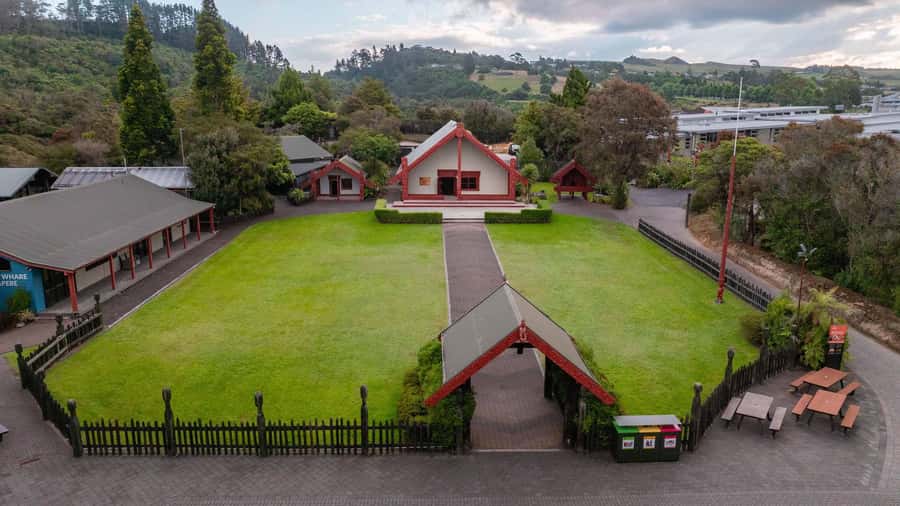
You begin at Te Puia’s main entrance on Hemo Road. There is no transport included, so you need to arrange your own way to the site. Check in at the entrance before joining the guided portion.
The complete experience lasts two hours, with 90 minutes of touring followed by a 30-minute performance. That schedule works well if you are fitting Te Puia between other Rotorua activities, though it can feel brisk if you want time for photographs, browsing, or a meal.
The guide leads in English. The best part of this format is the chance to ask questions as you go. One recent visitor praised the guide Jay for explaining Māori family connections, local history, and the work being done at the kiwi centre. That kind of personal explanation can make the visit feel more grounded than a walk with only signs and information panels.
More Maori cultural experiences in Rotorua:
- Mitai Maori Village: Cultural Experience and Dinner Buffet
★ 4.7 · 3,575 reviews - Cultural Experience & Seasonal Māori Cuisine at Te Pā Tū
★ 5.0 · 1,546 reviews - Mitai Maori Village Cultural Experience in Rotorua
★ 4.5 · 1,294 reviews
Walking through the geothermal valley
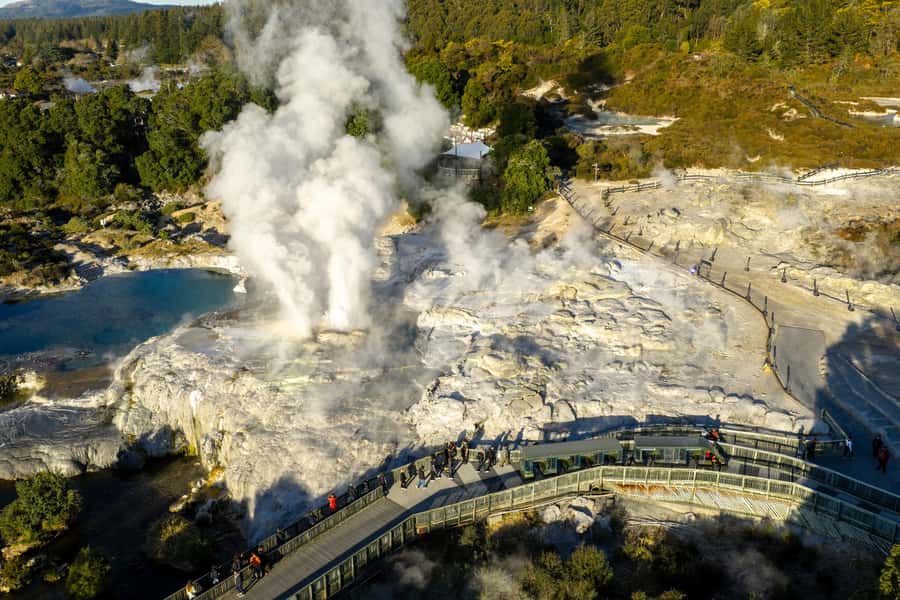
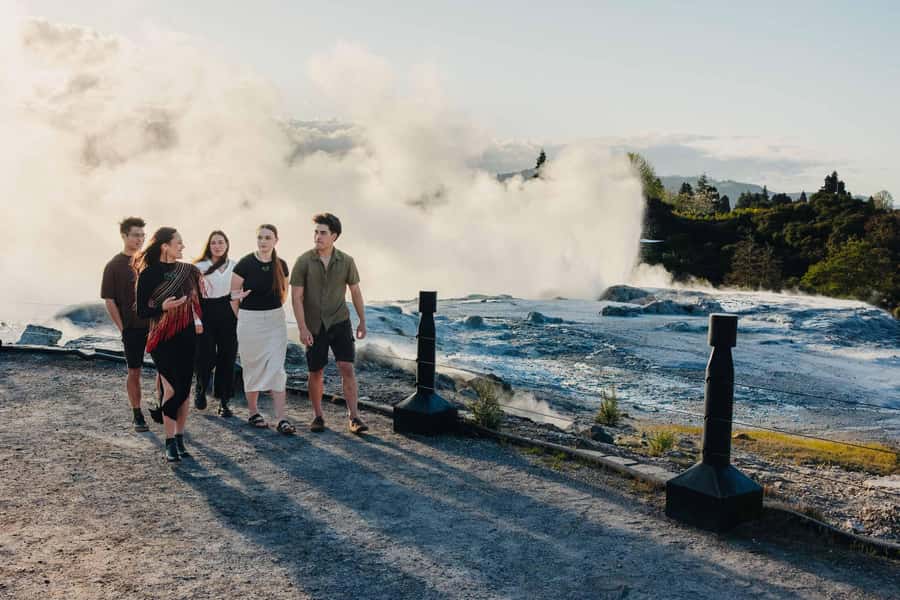
The geothermal valley is the visual anchor of Te Puia. Steam, hot pools, mud, and volcanic activity give the area its unusual character. You will see a side of New Zealand that feels very different from the country’s famous mountains, beaches, and farmland.
The star attraction is Pōhutu Geyser. Its eruptions occur naturally and at regular intervals, without human assistance. That matters because you are not simply waiting for a scheduled water show. The geyser’s timing is part of the natural rhythm of the valley, and you may be able to watch it again later at your own pace.
One visitor felt Pōhutu was more impressive than the geyser at Wai-O-Tapu, with more appealing scenery around it. That is a personal comparison, not a rule, but it points to Te Puia’s strength: the geyser is not an isolated photo stop. It forms part of a wider geothermal setting that your guide helps explain.
Take care on the paths. The tour involves walking through an active geothermal area, and the practical advice is simple: use comfortable walking shoes, carry water, and bring a hat and sunscreen. The valley may not sound demanding on paper, but uneven walking, sun, and heat can make a difference.
The Kiwi Conservation Centre
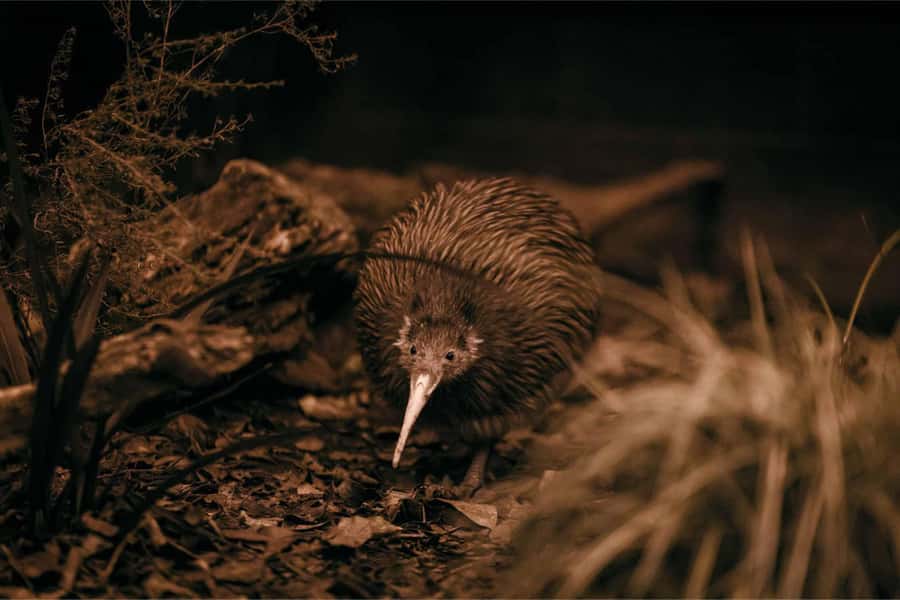
The Kiwi Conservation Centre adds something rare to the visit. You may see New Zealand’s national bird in a protected setting, and several visitors described this as a personal highlight, especially for a first sighting.
Do not plan on photographing the kiwi. Photography is not allowed in the centre, so you need to put the phone away and pay attention. That rule may disappoint anyone hoping for a souvenir image, but it also keeps the focus on the birds rather than on getting the perfect shot.
The centre is part of the guided route, so your guide can explain its role in conservation. The information provided does not promise a guaranteed sighting, so treat seeing a kiwi as a fortunate possibility rather than a certainty. Still, the centre gives the tour an important connection to New Zealand wildlife, beyond the geothermal attractions.
Māori arts at the New Zealand Māori Arts and Crafts Institute
The New Zealand Māori Arts and Crafts Institute gives the experience its hands-on cultural dimension. Here you learn about Māori carving and the preservation of traditional skills. The institute’s training school, established in the 1920s, is an especially interesting detail because it shows that the craft traditions are being taught, not merely displayed behind glass.
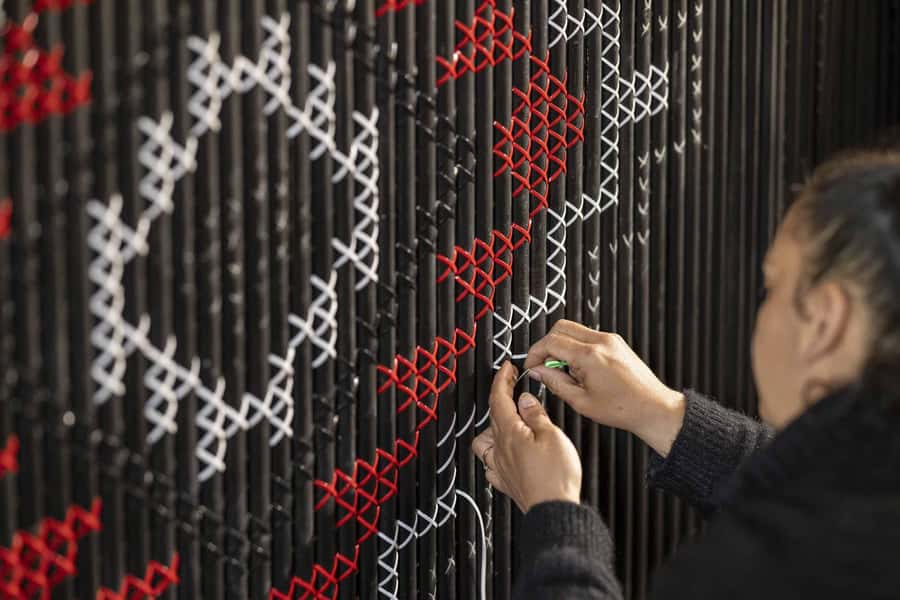
You may see examples of wood carving and jewellery made from natural stone. The value here is not just visual. A guide can explain how these forms connect to Māori identity, family, place, and ancestral knowledge. That context makes the carvings easier to understand and keeps the visit from becoming a quick pass through a craft shop.
I like this part of the experience because it gives you something to think about after the geyser steam has cleared. Rotorua has many geothermal attractions, but the institute helps Te Puia explain why Māori culture belongs at the centre of this visit.
The shop is separate from the guided tour. One visitor had trouble getting service because staff were gathered together folding shirts. That sounds like an isolated service problem, but it is useful to remember that shopping is not the strongest reason to book this outing. Give yourself time if you want to browse, and do not expect the retail stop to match the guide-led sections.
A few more to weigh up in Rotorua
- Rotorua Canopy Tours: 2.5Hour Native Forest Zipline Adventure
★ 5.0 · 4,563 reviews - Rotorua: Wai-O-Tapu Geothermal Park Entry Ticket
★ 4.6 · 2,601 reviews - Rotorua’s Ultimate Zipline: 6 ziplines, 400 m Tandem, Cliff Walk
★ 5.0 · 2,557 reviews - Rotorua Rafting: Kaituna River White Water Rafting & Free Sauna
★ 5.0 · 1,952 reviews
Entering Te Aronui a Rua for the cultural performance
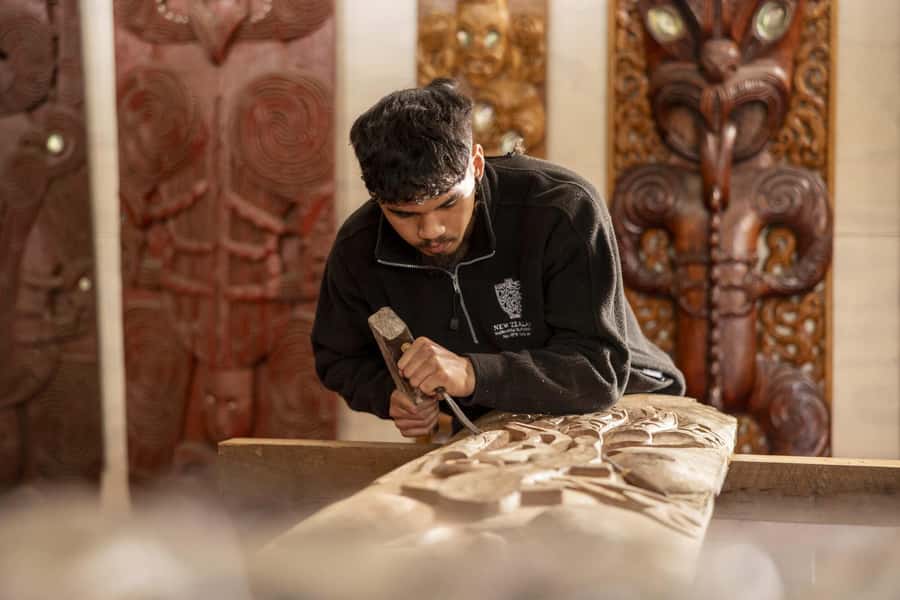
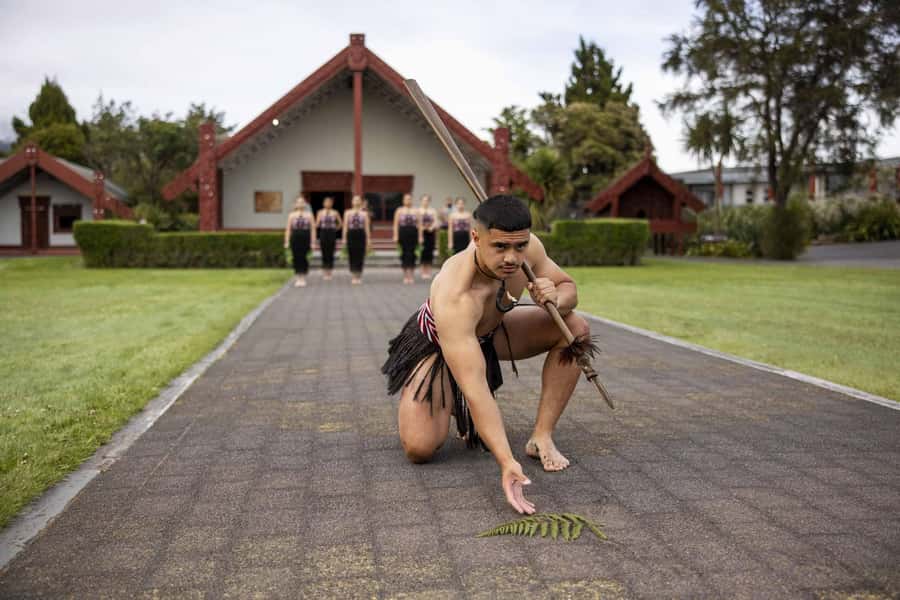
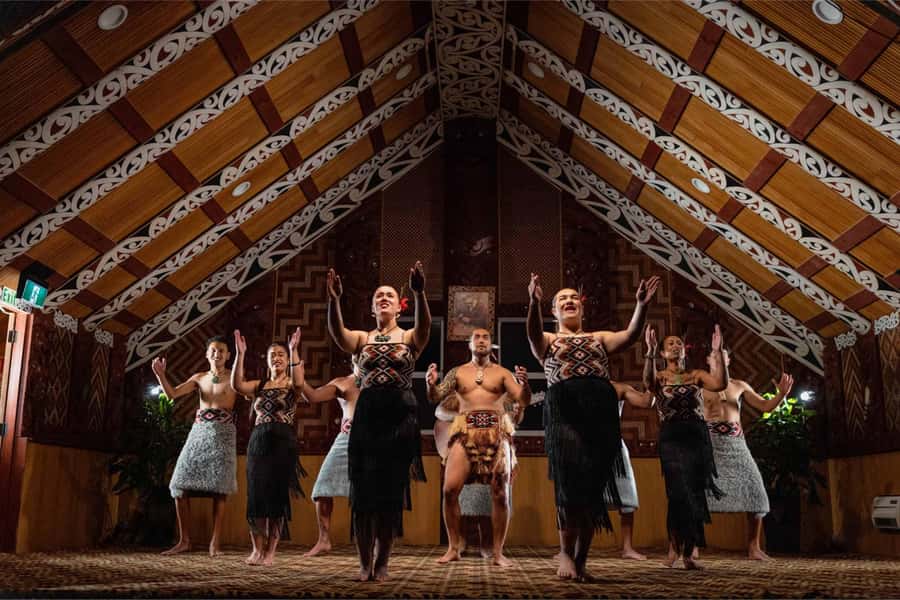
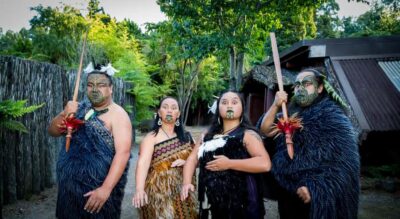
The final part of the scheduled visit is a 30-minute Māori cultural performance in Te Aronui a Rua, a beautifully carved meeting house. The performance begins with a pōhiri, or traditional welcome, then moves through waiata, mōteatea, poi, and haka.
The welcome sets the tone. This is not simply a stage show added to a sightseeing ticket. You are being introduced to Māori customs through formal greeting, song, chant, movement, and powerful facial expression. The haka is likely to be the most memorable section, and several people rated the performance as the best part of their visit.
The poi offers a different mood from the haka, with controlled movement and rhythm. Waiata and mōteatea add musical and traditional elements that help place the performance within a wider cultural setting. You do not need prior knowledge to appreciate the show, but listening carefully to the explanations will give the ceremony more weight.
Photography is allowed in general, but you should respect cultural sensitivities. Follow the instructions given before the performance, and avoid treating the welcome as a photo opportunity first and a cultural event second.
Your position in the room may affect what you see. One visitor found that a family standing with the chief blocked much of the welcome ceremony. This is a useful reason to arrive promptly and pay attention to where the group is directed. The performance lasts only 30 minutes, so a poor sightline can matter.
What the two-hour format does well
The biggest advantage is range. In a single booking, you get:
- A guided geothermal walk
- Pōhutu Geyser
- The Kiwi Conservation Centre
- Māori carving and craft traditions
- A formal cultural performance
That is a lot of subject matter in two hours. If you have limited time in Rotorua, this package gives you a clear introduction without asking you to plan several separate visits.
The guide-led structure also saves you from guessing what matters. You can walk through a geothermal valley on your own and see steam and mud, but you may miss the meaning behind the place. The same goes for carvings. A short explanation about the institute and its training school can turn a display into a story about cultural continuity.
The drawback is pace. A 90-minute group walk does not leave unlimited time to pause wherever you like. One visitor also felt smaller groups would improve the experience, while another found too many children in the group made it hard to concentrate. Families may appreciate the accessible subject matter, but if you prefer quiet, a busy departure could affect your enjoyment.
Is $80 good value?
At $80 per person, the price is reasonable if you want both the geothermal valley and the cultural performance. Paying separately for a nature attraction and a Māori show can take more planning, while this option joins both in one visit.
The value is strongest for first-time visitors to Rotorua. You get the city’s volcanic character, a chance to see a kiwi, an introduction to Māori arts, and a performance that includes several traditional forms. That is a broad experience for a short visit.
It is less compelling if your main goal is a long, quiet geothermal walk. You will not have two hours for the valley alone, since half of the scheduled experience is the cultural performance. Likewise, if you have already visited several Māori cultural centres and attended a haka elsewhere, the arts institute and geothermal valley may be the more important parts for you.
Food and drinks are not included. Plan accordingly, especially if you are booking around lunchtime. One visitor’s noon tour finished after 2 p.m., leaving no time for a hangi lunch. The exact timing of your visit may vary, but I would avoid booking a meal immediately afterward.
Who will enjoy Te Puia most?
I would recommend this experience to you if you want a compact introduction to Rotorua rather than a single-purpose attraction. It suits first-time visitors, couples, families, and anyone who wants cultural explanation alongside dramatic geothermal sights.
It is also a good choice if you value a live performance more than a museum-style presentation. The haka, waiata, poi, and welcome ceremony give the afternoon a sense of occasion.
You may want to think twice if you have mobility limitations. The information provided is inconsistent: the activity is described as wheelchair accessible, but it is also marked as unsuitable for wheelchair users and people with mobility impairments. Contact Te Puia before booking and ask exactly which paths, viewing areas, and performance spaces can be accessed.
This is not a smoking activity, and smoking is not allowed. Bring water, wear sensible shoes, and prepare for sun. Those small choices will make the walking section much easier.
Booking flexibility and practical timing
You can cancel up to 24 hours before the activity for a full refund, and the reserve-now-pay-later option lets you hold a place without paying immediately. That is useful when your Rotorua plans depend on weather or changing road conditions.
Starting times vary, so check availability before choosing a slot. The meeting point is always the main entrance at 20 Hemo Road, and transport to and from Te Puia is your responsibility.
Allow a little breathing room around the two-hour schedule. The formal itinerary is 90 minutes of guided touring plus 30 minutes of performance, but walking between sections, checking in, and browsing can make the visit feel longer. If you want lunch, do not squeeze it into a narrow gap.
Should you book this Te Puia experience?
Book it if you want Rotorua’s main themes in one well-organized visit: geothermal power, Māori arts, kiwi conservation, and a haka performance. The natural eruptions of Pōhutu Geyser and the chance to see a kiwi give it strong appeal, while the guide’s stories and the performance add meaning beyond the scenery.
I would skip it only if you want a completely independent visit, dislike group touring, or have mobility needs that Te Puia cannot accommodate. For most first-time visitors, $80 is fair value for the amount covered, provided you arrive ready to walk, listen, and show proper respect during the cultural welcome.
FAQ
Where does the Te Puia tour begin?
Check in at the main entrance of Te Puia, located at 20 Hemo Road in Rotorua.
How long does the experience last?
The experience lasts two hours. It includes a 90-minute guided tour and a 30-minute Māori cultural performance.
What language is the tour conducted in?
The live tour guide speaks English.
What will I see during the guided walk?
The guided walk includes the geothermal valley, Pōhutu Geyser, the Kiwi Conservation Centre, and the New Zealand Māori Arts and Crafts Institute.
What does the cultural performance include?
The performance includes a pōhiri, waiata, mōteatea, poi, and haka. It takes place in the carved meeting house Te Aronui a Rua.
Is food included in the price?
No. Food and drinks are not included.
What should I bring?
Bring comfortable walking shoes, a hat, sunscreen, and water.
Can I cancel the booking?
Yes. You can cancel up to 24 hours in advance for a full refund. A reserve-now-pay-later option is also available.
Just added in Rotorua
- Te Puia: Tuku Iho Trail with Cultural Show★ 5.0 · 5 reviews
- Te Puia: Te Pō Indigenous Combo – Tour, Dinner + Haka★ 4.4 · 52 reviews
- Rotorua: Wai Ariki Hot Springs & Spa 1hr Restorative Bathing★ 4.8 · 16 reviews
- Rotorua: White Island, Mount Tarawera & Waimangu Volcanic …★ 4.4 · 5 reviews
- Rotorua: Velocity Valley – NEW Vertigo 43m drop★ 5.0 · 3 reviews
- Rotorua: Volcano Landing and Geothermal Park Helicopter Tour★ 5.0 · 1 review
- Rotorua: Velocity Valley – Two Ride Pass★ 4.6 · 8 reviews
- Rotorua: Velocity Valley – Four Ride Pass★ 5.0 · 3 reviews
Maori Cultural Experiences, compared.
Mitai Maori Village: Cultural Experience and Dinner Buffet
Read our review →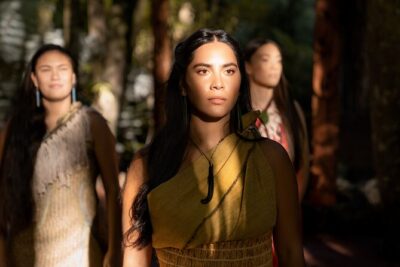
Cultural Experience & Seasonal Māori Cuisine at Te Pā Tū
Read our review →
Mitai Maori Village Cultural Experience in Rotorua
Read our review →
Lake Taupo: Classical Sailing to the Māori Rock Carvings
Read our review →
Te Pa Tu Māori Cultural Experience with Dinner
Read our review →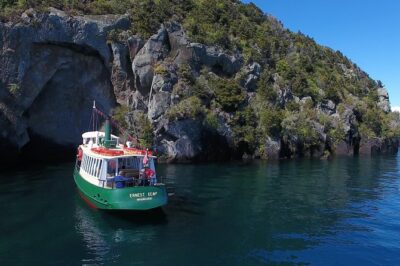
Lake Taupō Māori Rock Carvings Scenic Cruise aboard Ernest Kemp
Read our review →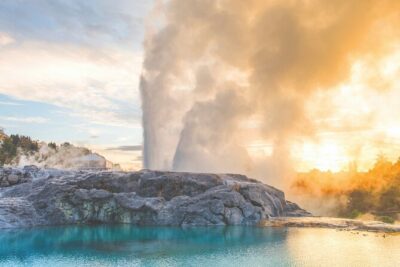
Waitomo Caves & Rotorua – Te Puia Small-Group Tour from Auckland
Read our review →
Lake Taupo: Maori Rock Carvings 10.30 AM 1.5-Hour Cruise
Read our review →Browse the lists this tour appears in