
REVIEW · MAORI CULTURAL EXPERIENCES
Te Puia: Te Rā Guided Experience
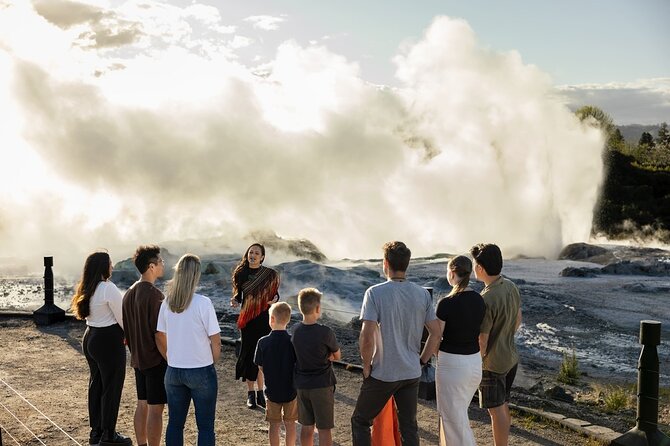
Rotorua’s earth puts on a daily show. Te Puia brings together Pōhutu Geyser, bubbling mud pools, Māori arts, a kiwi conservation centre, and stories shared by a Māori guide in one well-organized 90-minute visit. I especially like the chance to see geothermal activity and Māori culture in the same place, rather than treating them as separate Rotorua attractions. I also like that you can stay on the grounds after the guided walk and revisit the areas that caught your eye. The main caution is that the tour’s quality can depend heavily on your guide, and some groups move quickly through the most interesting geothermal areas.
At $62.06 per person, this is not Rotorua’s cheapest sightseeing option. Still, I consider it fair value if you want context, access to the New Zealand Māori Arts and Crafts Institute, and the chance to see Pohutu Geyser without arranging several separate stops. If your main goal is simply mud pools and geysers, the self-guided option may suit you better.
In This Review
- Key points at a glance
- Why Te Puia makes sense in Rotorua
- Starting with Māori stories and settlement
- Watching carvers and flax weavers at work
- Meeting a kiwi in the nocturnal house
- Walking into the Whakarewarewa Thermal Valley
- The optional Māori cultural performance
- How much value do you get for $62.06?
- What the guide can change
- Who should choose this Rotorua experience?
- Practical tips for a better visit
- Should you book Te Puia Te Rā?
- FAQ
- Where is Te Puia located?
- How long does the Te Rā Guided Experience last?
- How much does the experience cost?
- Is admission included?
- Is a professional guide included?
- What geothermal features can I see?
- How high is Pōhutu Geyser?
- Can I see a kiwi?
- Is the Māori cultural performance included?
- Are food, drinks, and hotel transfers included?
Key points at a glance
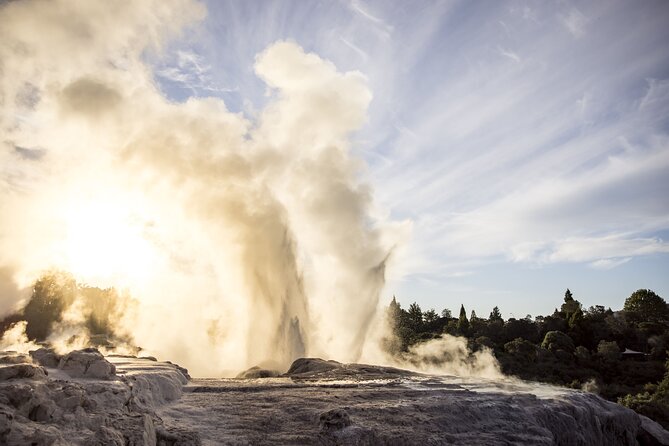
- Pōhutu Geyser can erupt up to 20 times a day, reaching about 100 feet, or 30 metres.
- A Māori guide leads the 90-minute visit, covering local stories, settlement in Rotorua, arts, and geothermal features.
- The kiwi conservation centre gives you a rare chance to see New Zealand’s national bird, though viewing time may be brief.
- Master carvers and flax weavers work on site, offering a direct look at living Māori art traditions.
- The optional cultural performance includes a pōwhiri welcome, poi, stick games, weaponry displays, and haka.
- You can remain at Te Puia after the guided portion, useful if the tour feels too brisk.
Why Te Puia makes sense in Rotorua
Te Puia sits in the Whakarewarewa Thermal Valley, where steam vents, hot springs, mud pools, and geysers are part of everyday life. The ground here is not just something to look at from a path. It shapes the stories, buildings, arts, and traditions presented at the institute.
That combination is the real reason to choose Te Puia. Rotorua has several places where you can watch volcanic activity, but Te Puia adds a cultural centre and Māori arts schools to the visit. I find that pairing more rewarding than a quick stop at a geothermal viewpoint followed by a separate museum.
The experience begins at the entrance to Te Puia on Hemo Road. You meet your guide there, then follow a planned route through the grounds. The group size can reach 36 people, though some visits have had around 20 participants. That matters because a larger group can make it harder to hear and can limit how long you pause at popular viewing areas.
The advertised time is about 1 hour and 30 minutes. That is enough for a useful introduction, but not enough for a slow, detailed look at every workshop, trail, geyser, and cultural space. Plan to keep extra time afterward if your schedule allows.
More Maori cultural experiences in Rotorua:
- Mitai Maori Village: Cultural Experience and Dinner Buffet
★ 4.7 · 3,575 reviews - Cultural Experience & Seasonal Māori Cuisine at Te Pā Tū
★ 5.0 · 1,546 reviews - Mitai Maori Village Cultural Experience in Rotorua
★ 4.5 · 1,294 reviews
Starting with Māori stories and settlement
The cultural part of the visit begins with stories and legends passed down through generations. You learn about Māori settlement in Rotorua and how the local people relate to the land and its natural forces.
I value this opening because it gives the geothermal valley a human meaning. The boiling pools and geysers are impressive on their own, but the guide’s interpretation can help you understand why the setting matters beyond its unusual geology.
The experience also includes a look at a marae and Māori village. A marae is a meeting place, and the architecture and customs here help explain how community life is organized. The tour is not designed as a long academic lesson, so the amount of detail may vary. Some guides offer engaging explanations and personal stories, while others provide a lighter introduction.
That difference is worth keeping in mind. I would book this as an accessible first meeting with Māori culture, not as a complete study of Māori traditions. You will gain useful context, but you should not expect an extended workshop or a private cultural discussion.
Watching carvers and flax weavers at work
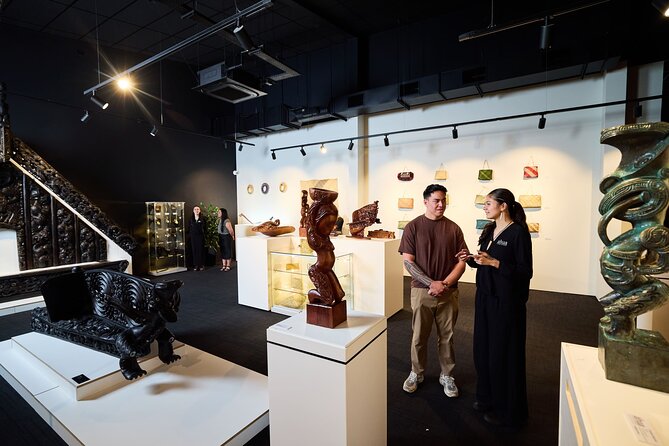
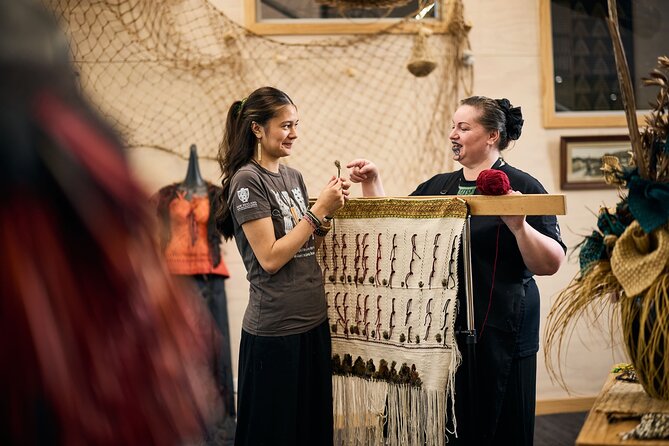
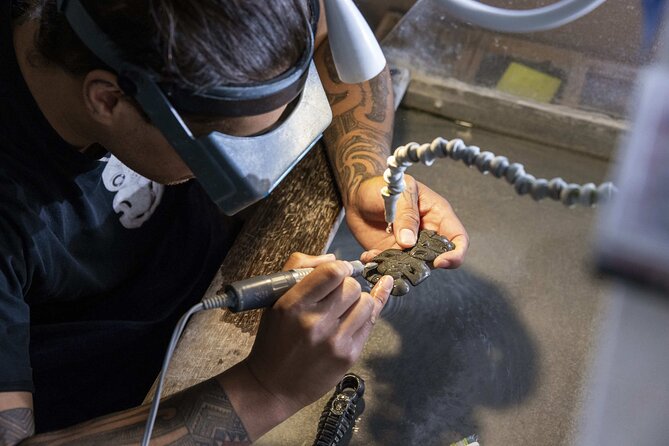
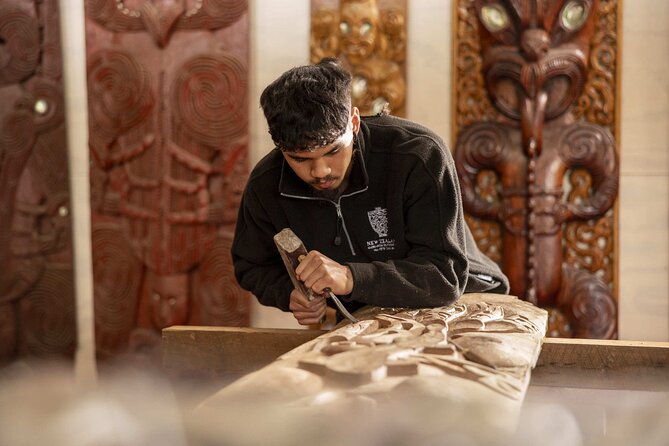
Te Puia is home to the New Zealand Māori Arts and Crafts Institute. The guided visit includes the wood, bone, and greenstone carving schools, along with flax weaving.
This is one of the strongest parts of the experience because you are seeing skilled work in progress, not only finished objects behind glass. The carving and weaving traditions require patience and a high level of control, and the institute helps keep those skills active through training.
You may see artisans working and learn how long certain carvings take to complete. The quality of the explanation depends on how much time your guide spends in the workshops. Some visits have included especially good background on the arts, while other groups felt the guide moved on too quickly or focused on basic repetition of Māori words.
I recommend paying close attention here, even if the geothermal sights are your main reason for coming. The workshops give the visit a sense of purpose. Te Puia is not simply displaying Māori culture as decoration around a geyser. It is also supporting schools that teach carving and weaving.
The on-site store is another useful stop, although it is not the central reason to buy admission. It carries locally made handcrafted items and gifts, including what can be described as taonga, or treasured objects. If you enjoy craft shopping, leave time to browse instead of treating the store as a quick exit stop.
Meeting a kiwi in the nocturnal house
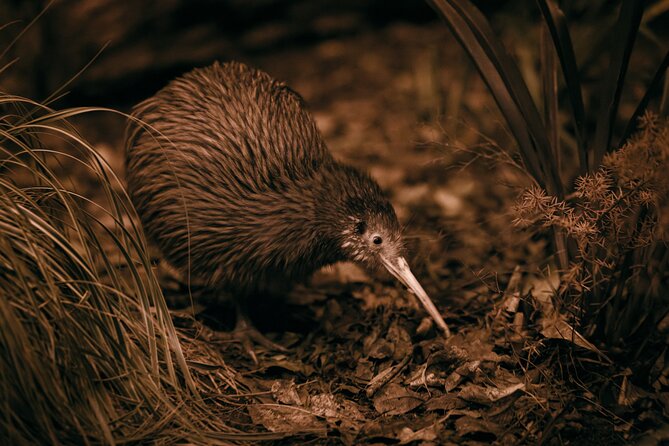
New Zealand’s kiwi is a flightless national emblem, and Te Puia’s kiwi conservation centre gives you a chance to see one in a controlled setting. The kiwi house is kept dark because these birds are nocturnal, so the viewing experience feels very different from watching daytime wildlife.
This can be a highlight, especially for children. A kiwi may be active and searching for food, but you should not expect a guaranteed close-up performance. The group moves through the viewing area, and some people have found that the time at the windows feels short.
I suggest treating the kiwi centre as an important extra, not the sole reason to pay the admission price. You might see a bird moving around, but conditions and timing affect what you can observe. If your group is large, stay alert and take your viewing opportunity when it comes.
The conservation centre also adds meaning to the visit. You are not only checking a national symbol off your list. You are seeing a bird that is difficult to encounter in the wild and learning about the work being done to protect it.
A few more to weigh up in Rotorua
- Rotorua Canopy Tours: 2.5Hour Native Forest Zipline Adventure
★ 5.0 · 4,563 reviews - Rotorua: Wai-O-Tapu Geothermal Park Entry Ticket
★ 4.6 · 2,601 reviews - Rotorua’s Ultimate Zipline: 6 ziplines, 400 m Tandem, Cliff Walk
★ 5.0 · 2,557 reviews - Rotorua Rafting: Kaituna River White Water Rafting & Free Sauna
★ 5.0 · 1,952 reviews
Walking into the Whakarewarewa Thermal Valley
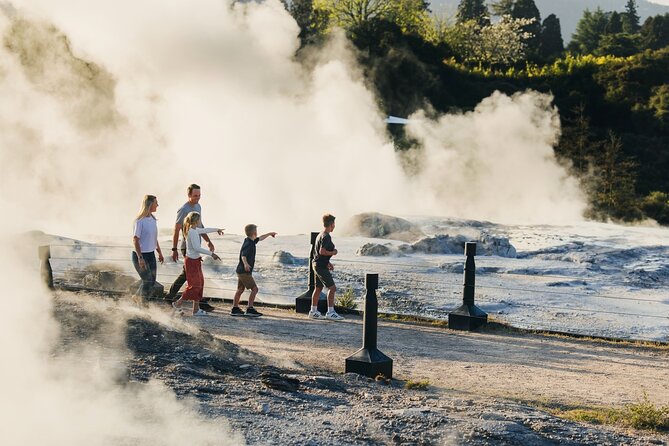
The path then leads into the geothermal valley, where you pass steaming springs, vents, and bubbling mud pools. The smell of sulphur can be strong. That is part of the real experience, so bring a practical attitude and do not expect the air to smell like a garden.
The hot mud is particularly captivating. It bubbles, pops, and folds in on itself, offering a close view of geothermal activity that feels more immediate than a distant mountain or crater. Steam rises around the paths, and the valley constantly reminds you that the earth below is active.
Pōhutu Geyser is the headline sight. It can erupt up to 20 times a day and reaches roughly 30 metres. Eruptions are not guaranteed at the exact moment you arrive, so do not build your entire Rotorua day around a promise of a perfectly timed blast.
Some people have been lucky enough to see several geysers erupt during one visit. Others have arrived when the main geyser was quiet and felt disappointed, especially given the admission cost. I would allow some flexibility in your schedule and remain on site after the tour if you want a better chance to see activity.
The biggest weakness is pacing. A guide may lead you past the main sights and then let you explore portions of the geothermal area on your own. That can be good if you prefer freedom, but frustrating if you paid mainly for detailed interpretation. Some people have found the walk too quick, while others appreciated being shown the key points before wandering independently.
The optional Māori cultural performance
You can upgrade the daytime visit to include a Māori cultural performance. Performances take place several times during the day, with showtimes available during admission.
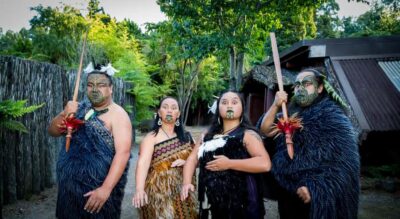
The program begins with a ceremonial welcome at the marae and includes the hongi, a traditional nose-to-nose greeting. You then see song, poi dances, stick games, weaponry displays, and the haka, a powerful war dance often associated with Māori performance.
I recommend the upgrade if you have not seen a Māori cultural performance before. It gives you a more structured presentation of song, movement, ceremony, and storytelling than the walking tour can provide. Families in particular may find the performance memorable, and children have been captivated by the dancing.
Keep your expectations respectful. This is a staged cultural presentation for an audience, not an accidental glimpse into private community life. Its value comes from the skill, ceremony, and explanation offered in a public setting.
The performance also makes the overall visit longer and more varied. If you only have 90 minutes in Rotorua, choose the guided geothermal and cultural walk. If you have more time and want a fuller Te Puia experience, the upgrade is worth considering.
How much value do you get for $62.06?
At $62.06 per person, Te Puia costs more than a simple public walk around a geothermal area. You are paying for entry to a substantial site, a professional guide, access to the Māori arts institute, the kiwi conservation centre, the marae and village areas, and the geothermal valley.
I think the price works best for three types of visitors:
- You want a single Rotorua attraction that combines geology and culture.
- You prefer having a guide explain what you are seeing.
- You want to include kiwi viewing and Māori arts without arranging separate visits.
The price feels less convincing if you only care about geysers and mud pools. In that case, a self-guided visit may let you move at your own pace and spend longer at the hot pools. Several people have felt that the included walk did not add enough explanation to justify the extra cost.
The option to stay after the tour improves the value. You can return to a workshop, spend more time near the mud pools, revisit the kiwi centre if permitted, browse the store, or wait around the geothermal area. I would not rush away as soon as the guide finishes.
Food and drinks are not included. Hotel pickup and drop-off are also not included, so you need to make your own way to Te Puia at Hemo Road in Whakarewarewa. The site is near public transportation, and the activity ends back at the starting point.
What the guide can change
The guide is the most important variable in this experience. A strong guide can connect Māori stories, Rotorua settlement, geothermal activity, and the arts in a way that makes the whole visit feel coherent.
Specific guides have received warm praise, including Rebecca, Ivy, and Buster. Rebecca has been credited with engaging explanations and an enjoyable walk, while Ivy and Buster helped make the arts and geothermal sections memorable. Those examples show how much personality and preparation can add.
The opposite can also happen. Some people have struggled to hear guides who walked ahead without a microphone. Others felt that a newly trained or temporary guide provided only basic information. One particularly unhappy account described a guide spending too much time talking with friends and giving a group activity that did not suit everyone.
I would not let those mixed experiences put you off the entire site, but I would adjust your expectations. The geothermal valley and arts centre remain worthwhile, even if the commentary is thin. If clear interpretation is your main reason for booking, stay near the guide, speak up if you cannot hear, and use the time after the tour to explore signs and displays at your own pace.
Who should choose this Rotorua experience?
I think Te Puia suits first-time visitors who want an efficient introduction to Rotorua. In one visit, you can see geothermal features, a kiwi, Māori architecture, active craft schools, and a cultural performance if you choose the upgrade.
Families should find plenty to hold their attention. The kiwi centre, bubbling mud pools, geyser, carving demonstrations, and haka create variety. Children may not enjoy every spoken explanation, so the performance option can provide a strong visual highlight.
This also works well for people with limited time. The core visit lasts about 90 minutes, and the starting point is straightforward to reach in Rotorua. You can add time afterward if your day is not tightly planned.
I would be more cautious if you want a slow photographic walk or detailed geology. The group may move quickly, the geyser may not erupt during your visit, and the guide may not provide extensive technical explanation. In that case, compare Te Puia with other Rotorua geothermal sites before committing.
Practical tips for a better visit
Arrive ready to walk outdoors. The geothermal valley is experienced along paths, and conditions around steam and hot pools can change how comfortable the walk feels.
Stay close enough to hear the guide. Groups can be sizeable, and the quality of the commentary matters. If you are placed toward the back, you may miss details or struggle to hear without a microphone.
Allow extra time after the 90-minute tour. This is the single best way to deal with the brisk pace. You can revisit the hot pools, wait for geothermal activity, spend longer at the arts centre, and browse the handmade goods.
If you want the cultural performance, check the available showtimes when you arrive. The performance runs several times a day, but you still need to fit it around your guided visit.
Book with flexibility. You can cancel for a full refund if you do so at least 24 hours before the experience begins. Changes or cancellations within 24 hours are not accepted for a refund.
Should you book Te Puia Te Rā?
I would book it if you want Rotorua in miniature: geothermal heat, Māori culture, living craft traditions, kiwi conservation, and a famous geyser in one stop. The strongest parts are the setting, the range of activities, and the chance to hear local stories from a Māori guide.
I would skip the guided upgrade, or choose a self-guided format where available, if you prefer to linger and mainly want mud pools and geysers. The admission price is easier to justify when you use the cultural centre, kiwi house, and post-tour time, not just the 30-metre eruption.
For most first visits to Rotorua, Te Puia is a sensible choice. Just remember that the geyser has its own schedule, the air may smell distinctly sulphurous, and the guide can make a big difference.
FAQ
Where is Te Puia located?
Te Puia is on Hemo Road in Whakarewarewa, Rotorua, New Zealand.
How long does the Te Rā Guided Experience last?
The guided experience lasts approximately 1 hour and 30 minutes.
How much does the experience cost?
The listed price is $62.06 per person.
Is admission included?
Yes. Admission to Te Puia is included in the experience.
Is a professional guide included?
Yes. A professional guide leads the visit.
What geothermal features can I see?
You can see steaming vents, bubbling mud pools, hot springs, and Pōhutu Geyser in the Whakarewarewa Thermal Valley.
How high is Pōhutu Geyser?
Pōhutu Geyser can reach about 100 feet, or 30 metres, and may erupt up to 20 times a day.
Can I see a kiwi?
Yes. The experience includes access to the kiwi conservation centre and nocturnal kiwi house. Viewing time and activity can vary.
Is the Māori cultural performance included?
The performance is available as an optional upgrade. It includes a ceremonial welcome, hongi, poi dances, stick games, weaponry displays, and haka.
Are food, drinks, and hotel transfers included?
No. Food, drinks, hotel pickup, and hotel drop-off are not included. You make your own way to Te Puia, and the activity ends at the meeting point.
Just added in Rotorua
- Te Puia: Tuku Iho Trail with Cultural Show★ 5.0 · 5 reviews
- Te Puia: Te Rā Guided Day Tour + Haka Cultural Performance★ 4.7 · 128 reviews
- Te Puia: Te Pō Indigenous Combo – Tour, Dinner + Haka★ 4.4 · 52 reviews
- Rotorua: Wai Ariki Hot Springs & Spa 1hr Restorative Bathing★ 4.8 · 16 reviews
- Rotorua: White Island, Mount Tarawera & Waimangu Volcanic …★ 4.4 · 5 reviews
- Rotorua: Velocity Valley – NEW Vertigo 43m drop★ 5.0 · 3 reviews
- Rotorua: Volcano Landing and Geothermal Park Helicopter Tour★ 5.0 · 1 review
- Rotorua: Velocity Valley – Two Ride Pass★ 4.6 · 8 reviews
Maori Cultural Experiences, compared.
Mitai Maori Village: Cultural Experience and Dinner Buffet
Read our review →
Cultural Experience & Seasonal Māori Cuisine at Te Pā Tū
Read our review →
Mitai Maori Village Cultural Experience in Rotorua
Read our review →
Lake Taupo: Classical Sailing to the Māori Rock Carvings
Read our review →
Te Pa Tu Māori Cultural Experience with Dinner
Read our review →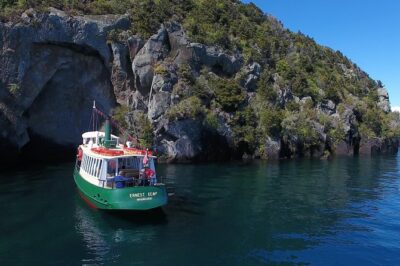
Lake Taupō Māori Rock Carvings Scenic Cruise aboard Ernest Kemp
Read our review →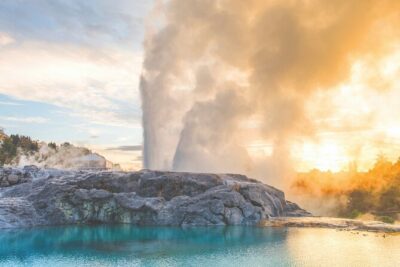
Waitomo Caves & Rotorua – Te Puia Small-Group Tour from Auckland
Read our review →
Lake Taupo: Maori Rock Carvings 10.30 AM 1.5-Hour Cruise
Read our review →Browse the lists this tour appears in