
REVIEW · MAORI CULTURAL EXPERIENCES
Te Puia: Tuku Iho Trail with Cultural Show
Rotorua’s earth puts on a show. Te Puia’s Tuku Iho Trail brings several of the city’s best experiences together: a guided walk through a geothermal valley, a visit to the Kiwi Conservation Centre, the New Zealand Māori Arts and Crafts Institute, and a cultural performance in the carved meeting house Te Aronui a Rua.
I like the sweetcorn cooked in a hot pool, which turns a simple snack into a lesson about how Māori families have used geothermal water for generations. I also like the efficient mix of nature, Māori arts, conservation, and performance. In less than half a day, you get a useful introduction to several sides of Te Puia.
The main drawback is the walking. You need a moderate level of fitness for bushland paths and geothermal trails, and the experience is not suitable for wheelchair users, people with mobility or visual impairments, or anyone who finds uneven walking difficult. The timing also needs checking: the experience is promoted as two hours in some details, but the guided portion lasts about two hours and 15 minutes, followed by a 30-minute show.
In This Review
- Key points to know before you go
- Starting at 20 Hemo Road in Rotorua
- Cooking sweetcorn in a geothermal pool
- Walking through bushland and geothermal paths
- Seeing kiwi birds at the conservation centre
- Rotowhio marae and Māori arts
- The 30-minute cultural performance at Te Aronui a Rua
- Is $89 good value for this Rotorua experience?
- Timing, fitness, and practical planning
- Who will enjoy the Tuku Iho Trail most?
- Should you book Te Puia’s Tuku Iho Trail?
- FAQ
- Where does the Tuku Iho Trail begin and end?
- How long does the experience last?
- What is included in the price?
- Is food included?
- What should I bring?
- Is the tour suitable for people with mobility impairments?
Key points to know before you go
- Sweetcorn from a boiling ngāwhā: You sample corn cooked in an ancient geothermal pool while hearing the tale of Hatupatu and Kurungaituku.
- A compact Rotorua overview: The route combines geothermal sights, Māori arts, kiwi conservation, and a performance in roughly two hours and 45 minutes.
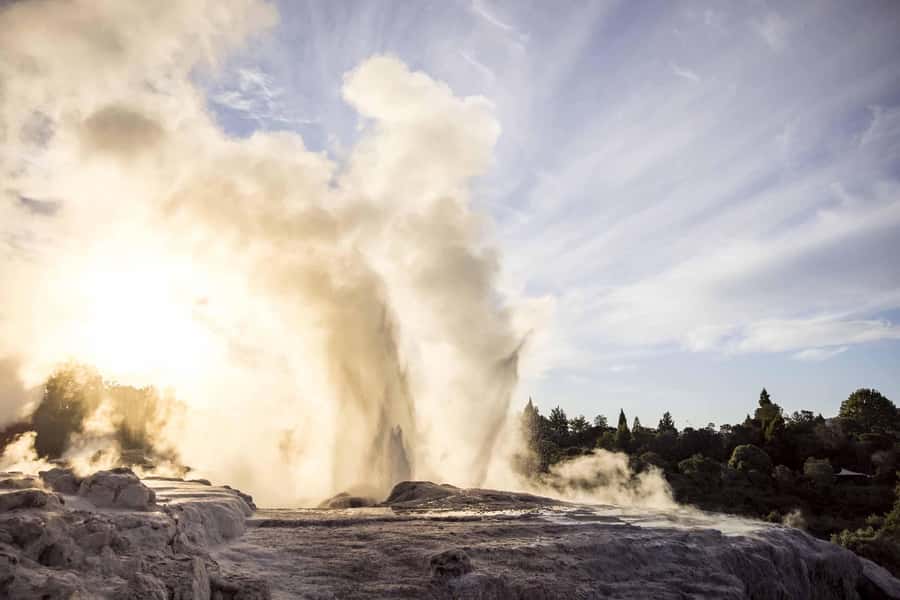
- Te Aronui a Rua performance: Expect a pōhiri, waiata, mōteatea, poi, and haka inside a beautifully carved meeting house.
- Kiwi Conservation Centre visit: You have the chance to see New Zealand’s famously elusive national bird in a conservation setting.
- A walking-focused tour: Comfortable shoes and water matter, since the route passes through bushland and geothermal paths.
- Good value at $89: The price makes the most sense if you want several Te Puia highlights without booking separate activities.
Starting at 20 Hemo Road in Rotorua
You begin at Te Puia’s entrance at 20 Hemo Road, where you show your confirmation at Admissions and exchange it for the ticket needed for the experience. From there, a guide leads the group into the geothermal valley.
The advertised group information needs a little care. One part describes the tour as limited to six participants, while another says the tour may include up to 20 people. If group size is important to you, confirm the number when you book. A smaller group usually gives you more time to ask questions and hear stories, while a larger group can feel less personal.
The guide leads in English. One guide specifically praised for this experience is Paul, who was described as fantastic. That is useful to know because the quality of a cultural and history-based tour depends heavily on how well the guide explains what you are seeing. Here, the guide is not simply pointing at steam and rocks. The route connects the geothermal activity with Māori use of the valley, local stories, and the work carried out at Te Puia today.
Plan on wearing shoes you can walk in comfortably. High heels, bare feet, smoking, vaping, alcohol, drugs, pets, mobility scooters, and electric wheelchairs are not allowed. Bring water and a camera, but remember that a camera cannot replace paying attention to the guide’s stories.
More Maori cultural experiences in Rotorua:
- Mitai Maori Village: Cultural Experience and Dinner Buffet
★ 4.7 · 3,575 reviews - Cultural Experience & Seasonal Māori Cuisine at Te Pā Tū
★ 5.0 · 1,546 reviews - Mitai Maori Village Cultural Experience in Rotorua
★ 4.5 · 1,294 reviews
Cooking sweetcorn in a geothermal pool
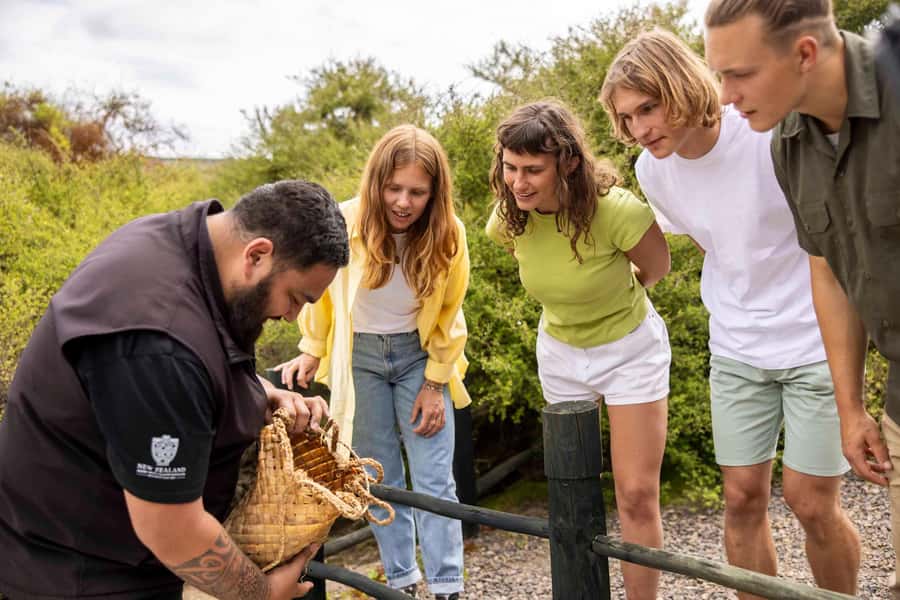
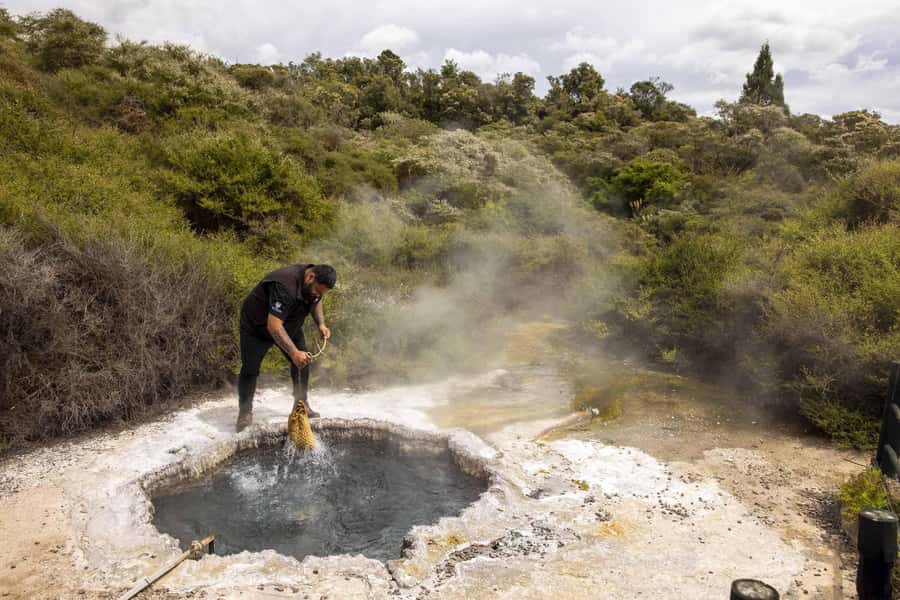
One of the most memorable details comes near the start of the experience: sweetcorn cooked in a hot pool called a ngāwhā. You get to taste a sample while learning how Māori ancestors used mineral-rich geothermal pools for cooking and bathing.
This is a small moment, but it gives the valley a human scale. Geothermal activity is easy to treat as a natural spectacle, something to photograph and move on from. The corn shows how people adapted to this powerful environment and made practical use of the heat beneath their feet.
The food is not a full meal, and food and drinks are not included beyond the described sample. Think of it as a tasting tied to a story rather than a lunch stop. If you arrive hungry, eat before or after the tour.
While you enjoy the corn, the guide tells the story of Hatupatu, a brave warrior who escaped the mythical birdwoman Kurungaituku. The story includes danger, flight, and an unexpected love that Hatupatu alone knows in full. It adds a layer of legend to the valley, helping you see the place as more than a collection of boiling pools and erupting steam.
Walking through bushland and geothermal paths
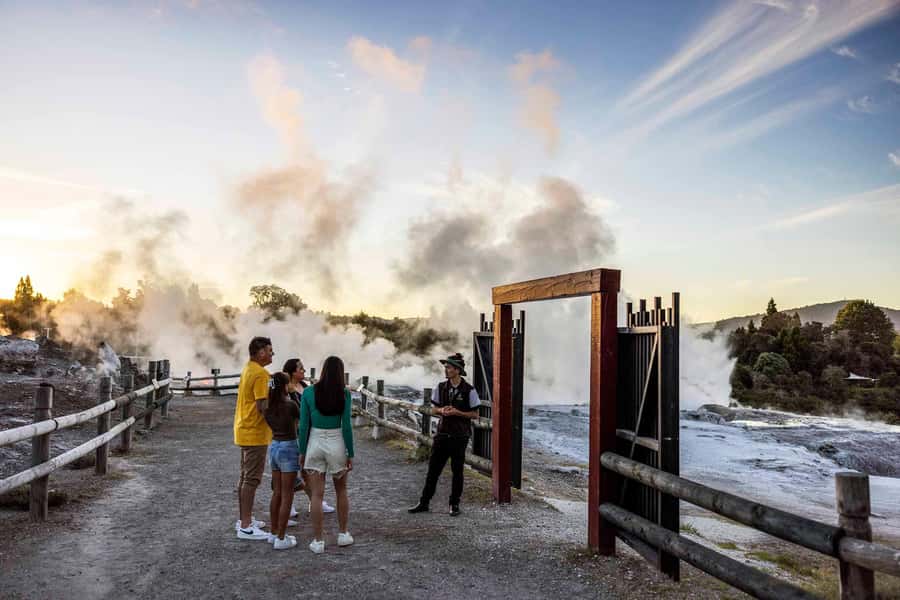
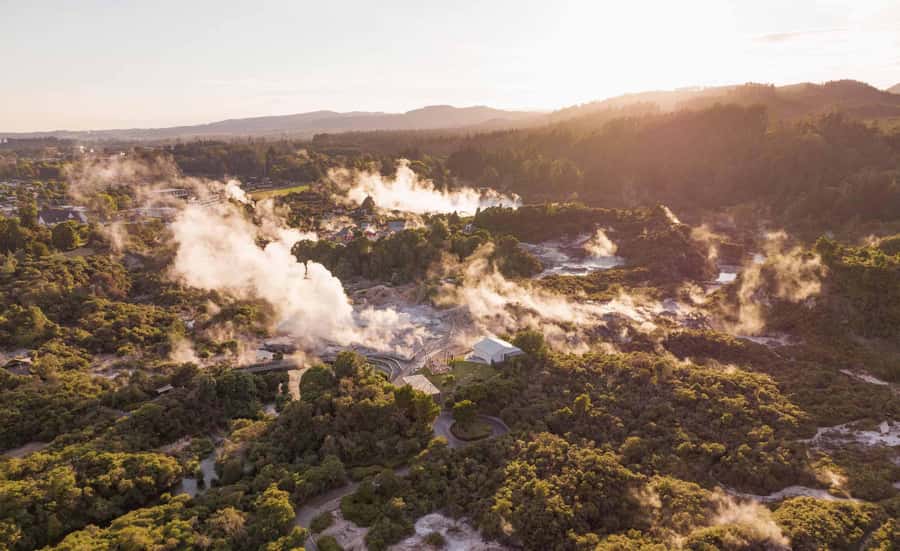
The route continues through bushland, winding geothermal sinter paths, and the main valley. You should expect a mixture of natural scenery and active geothermal features, with geysers and hot pools nearby.
This is where good footwear matters most. The tour requires a moderate level of fitness, and the experience is specifically not suited to people with low fitness levels. The supplied information does not promise a completely level route, so I would choose sturdy, comfortable shoes and take the walking requirement seriously.
The pace is designed to cover several sites in a short time. That is useful if you have only a limited stay in Rotorua, but it also means this is not a slow, private nature walk. Your guide has a schedule to keep, especially because the cultural show follows the guided portion.
The geothermal valley is the setting, but the guide’s interpretation gives the walk its purpose. You learn how ancestral communities used the pools, then see how the same geothermal environment continues to shape Te Puia’s identity. The combination of physical evidence and oral tradition makes this part more rewarding than a walk focused only on photographs.
Seeing kiwi birds at the conservation centre
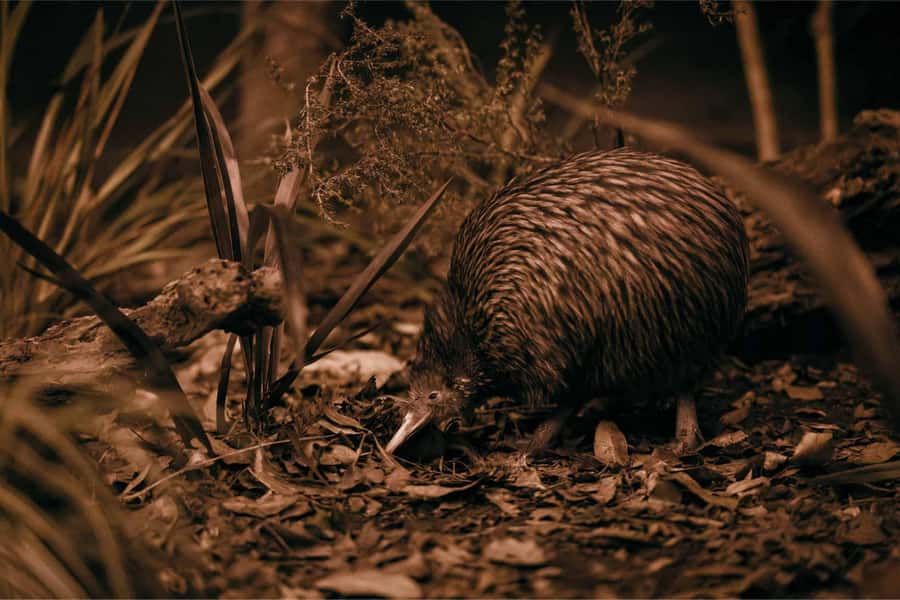
The Kiwi Conservation Centre adds another kind of New Zealand experience. Kiwi birds are nocturnal and famously difficult to see in the wild, so a conservation facility gives you a better chance to observe them.
The centre is included in the tour, and seeing kiwi birds was one of the strongest parts of the experience for Robin from the United Kingdom, who praised the visit alongside the cultural show and geothermal cooking. That combination says a lot about the tour’s appeal: you are not choosing between wildlife and culture. You get a short introduction to both.
Keep your expectations sensible. This is a conservation centre visit, not a guarantee that a bird will pose in the perfect place for your camera. The attraction comes from seeing the birds in a setting connected to their protection and learning about their place in New Zealand.
For many people, the kiwi stop may be especially valuable because it removes the pressure of finding wildlife independently. You can include it in a planned route through Te Puia rather than setting aside a separate evening or hoping for luck outdoors.
A few more to weigh up in Rotorua
- Rotorua Canopy Tours: 2.5Hour Native Forest Zipline Adventure
★ 5.0 · 4,563 reviews - Rotorua: Wai-O-Tapu Geothermal Park Entry Ticket
★ 4.6 · 2,601 reviews - Rotorua’s Ultimate Zipline: 6 ziplines, 400 m Tandem, Cliff Walk
★ 5.0 · 2,557 reviews - Rotorua Rafting: Kaituna River White Water Rafting & Free Sauna
★ 5.0 · 1,952 reviews
Rotowhio marae and Māori arts
The tour also takes you to the sacred grounds of Rotowhio marae and the New Zealand Māori Arts and Crafts Institute. These stops add cultural context to the geothermal valley and show that Te Puia is not only a nature attraction.
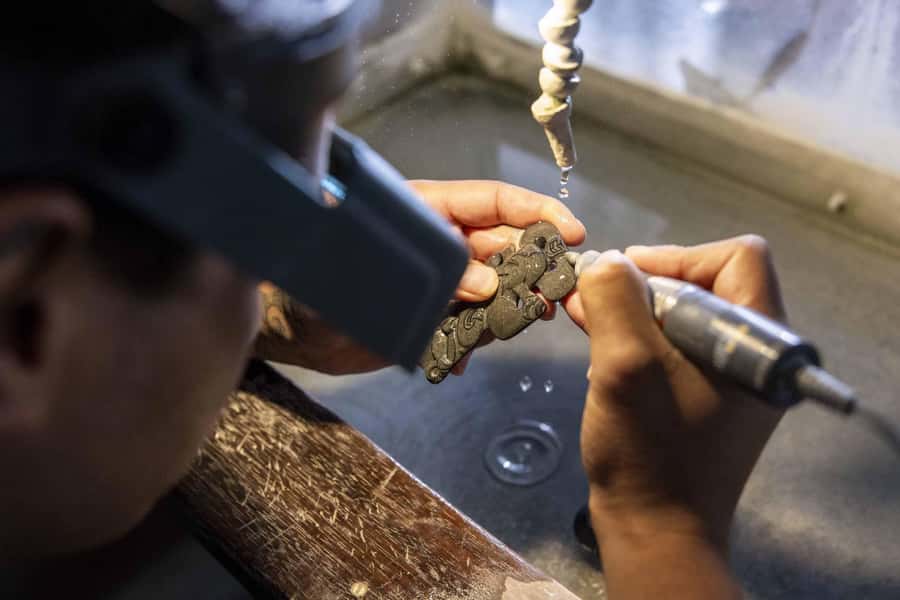
The arts institute is an important part of the visit because Māori carving, weaving, and other traditional practices are presented as living skills rather than museum objects. The supplied experience details do not promise a specific demonstration, so you should not book expecting a particular artist or workshop. Instead, think of the institute as a chance to understand the role of Māori arts within the wider Te Puia visit.
Rotowhio marae grounds prepare you for the performance later in the tour. A marae is not simply a stage or decorated venue. It is a place with cultural meaning, and the guided visit gives you a better sense of why the performance belongs in this setting.
Listen carefully to the guide here. Visitors who rush from one attraction to the next can miss the connections between the buildings, the arts institute, the marae grounds, and the stories of the valley. The route is short, but it covers subjects that deserve more than a quick photograph.
The 30-minute cultural performance at Te Aronui a Rua
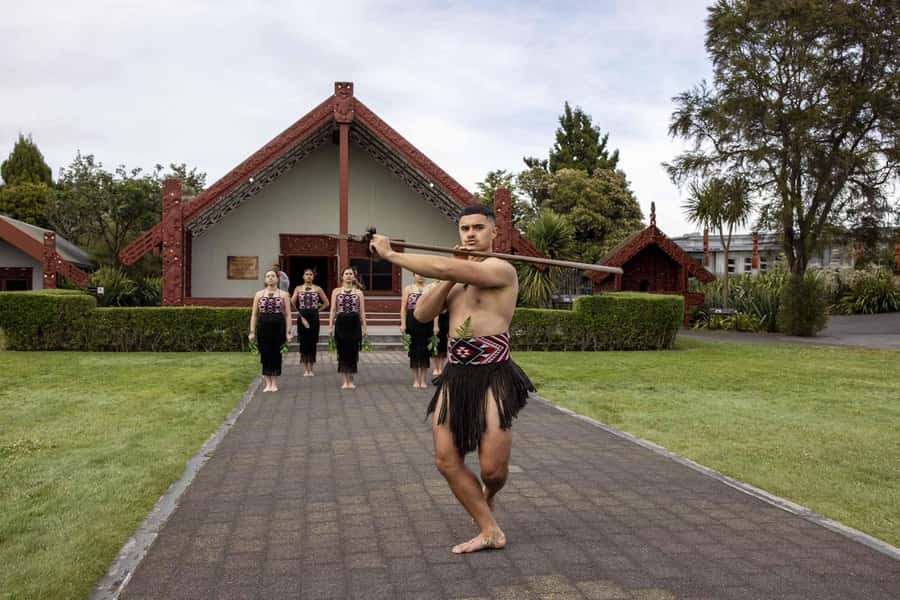
The final major part of the experience is a 30-minute cultural performance in Te Aronui a Rua, a beautifully carved meeting house. The performance includes several distinct elements:
- A pōhiri, or traditional Māori welcome
- Waiata, or song
- Mōteatea, a traditional chant
- Poi
- Haka
The show is not just a single dance number. The different parts introduce you to Māori forms of welcome, music, rhythm, storytelling, and physical expression. The pōhiri gives the performance a formal beginning, while the waiata and mōteatea bring song and chant into the presentation. Poi adds graceful, rhythmic movement, and the haka provides the powerful finish many people expect from a Māori cultural show.
Robin described the performance as moving. That response makes sense because the setting and the sequence give the show more weight than a quick entertainment stop. You have already walked through the valley, heard local stories, visited the marae grounds, and seen the arts institute. By the time you sit in Te Aronui a Rua, the performance has a clear cultural setting.
You should still approach the show with respect. It is presented for visitors, but it is built around meaningful Māori traditions. Watch the expressions, footwork, voices, and group timing rather than treating the haka as a single photo opportunity.
The performance lasts 30 minutes, so it fits neatly into the overall schedule. If you are looking for a long evening concert with a meal, this is not that. If you want a focused introduction to Māori performance as part of a wider Te Puia visit, it works well.
Is $89 good value for this Rotorua experience?
At $89 per person, the Tuku Iho Trail offers solid value if you want variety. The price includes the guided geothermal walk, the sweetcorn tasting, the Kiwi Conservation Centre, Rotowhio marae grounds, the New Zealand Māori Arts and Crafts Institute, and the cultural performance.
You are paying for interpretation as much as admission. A self-guided walk may show you steam, geysers, and hot pools, but it would not necessarily explain the traditional use of ngāwhā, tell the Hatupatu story, or connect the natural setting with Māori arts and performance.
The tour is especially useful for a short Rotorua stay. You can get a taste of the city’s geothermal character, wildlife, Māori culture, and live performance in one booking. Robin called it an efficient way to experience many interesting sides of Rotorua in a short time, and that is the clearest value argument.
The price is less compelling if you want a quiet, in-depth visit to only one part of Te Puia. The route covers a lot, so you may have limited time at each stop. You also pay for the cultural performance even if your main interest is geothermal scenery.
Food and drinks are not included, apart from the described sweetcorn sample. Budget for your own meal around the visit, especially if you are scheduling the experience near lunchtime.
Timing, fitness, and practical planning
The experience begins and ends at 20 Hemo Road. The stated duration varies between two hours and approximately two hours and 45 minutes. The detailed schedule gives about two hours and 15 minutes for the guided tour, followed by a 30-minute cultural show, so I would allow two hours and 45 minutes rather than planning a tight connection afterward.
Starting times vary, so check availability for the date you want. You need to exchange your ticket at Admissions and show your confirmation at check-in.
The walking conditions are the most important practical issue. The experience is not suitable for wheelchair users, people with mobility impairments, people with visual impairments, people with low fitness, or people over 95 years. Unaccompanied minors are also not allowed.
The provider offers free cancellation up to 24 hours before the activity for a full refund, and you can reserve now and pay later. Those options help if your Rotorua schedule is still changing, but they do not remove the need to check the start time and walking demands before you commit.
Who will enjoy the Tuku Iho Trail most?
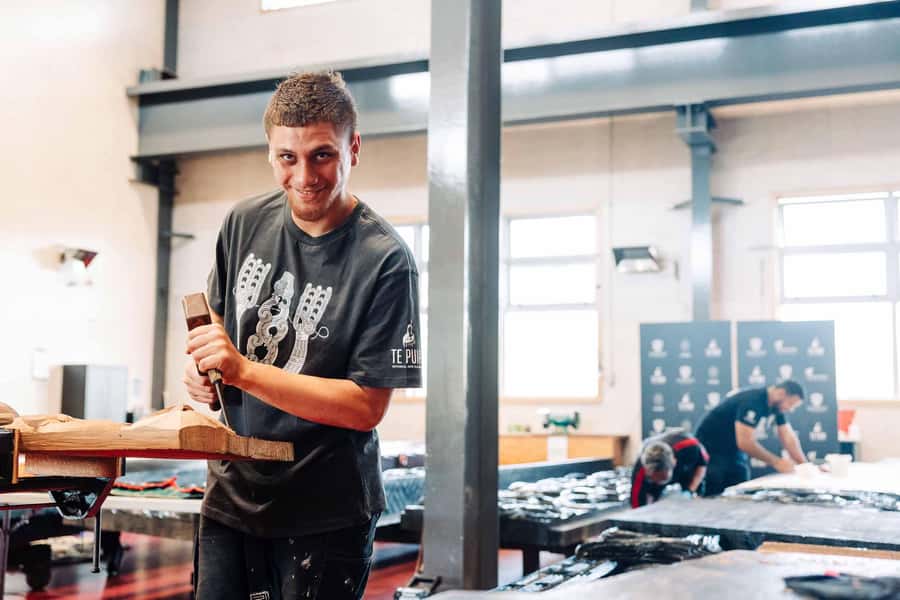
I would recommend this experience to you if you want a broad, guided introduction to Te Puia rather than a single-purpose visit. It suits first-time visitors to Rotorua, couples, families with older children, and anyone who wants local stories explained by a Māori guide.
It is also a good choice if you have only a few hours free. You see geothermal features, taste food prepared by geothermal heat, visit kiwi birds, enter the arts institute, walk around marae grounds, and watch a performance without arranging several separate bookings.
You may want a different activity if you have difficulty walking on bushland or geothermal paths, need wheelchair access, or prefer a relaxed pace with long periods at each stop. You may also find the experience too compressed if your main goal is detailed photography or extended time at the geysers.
The strongest feature is the way the parts support each other. The hot pool cooking explains practical geothermal use. The Hatupatu story gives the valley a legendary voice. The conservation centre adds wildlife. The arts institute and marae grounds provide cultural context. The performance then brings song, chant, movement, and welcome together.
Should you book Te Puia’s Tuku Iho Trail?
Book it if you want a well-packed Rotorua introduction and can manage moderate walking. At $89, the combination of guided access, sweetcorn tasting, kiwi viewing, Māori arts, marae grounds, and a 30-minute cultural performance gives you a fair amount for your money.
I would make this a priority for a short visit, especially if you want a guide to explain the meaning behind what you see. Paul’s praised guiding and the moving performance point to the human side of the experience, which is what keeps it from feeling like a simple checklist of attractions.
Skip it if you need step-free access, want a slow geothermal walk, or are interested only in geysers. For everyone else, this is a practical and culturally focused way to spend part of a Rotorua day.
FAQ
Where does the Tuku Iho Trail begin and end?
The experience begins and ends at Te Puia, 20 Hemo Road in Rotorua. You show your confirmation at Admissions and exchange your ticket at check-in.
How long does the experience last?
The detailed schedule includes a guided tour of about two hours and 15 minutes, followed by a 30-minute cultural performance. Allow approximately two hours and 45 minutes overall, although some booking information lists the duration as two hours.
What is included in the price?
The $89 price includes the guided geothermal valley tour, Kiwi Conservation Centre, Rotowhio marae grounds, New Zealand Māori Arts and Crafts Institute, and the cultural performance at Te Aronui a Rua. A sweetcorn sample cooked in a geothermal pool is also part of the experience.
Is food included?
Food and drinks are not generally included. The experience does include a sample of sweetcorn cooked in a hot geothermal pool.
What should I bring?
Bring comfortable shoes, water, and a camera. You need to be prepared for walking through bushland and along geothermal paths.
Is the tour suitable for people with mobility impairments?
No. The experience is not suitable for people with mobility impairments, wheelchair users, visually impaired people, or people with a low level of fitness. Mobility scooters and electric wheelchairs are not allowed.
Just added in Rotorua
- Te Puia: Te Rā Guided Day Tour + Haka Cultural Performance★ 4.7 · 128 reviews
- Te Puia: Te Pō Indigenous Combo – Tour, Dinner + Haka★ 4.4 · 52 reviews
- Rotorua: Wai Ariki Hot Springs & Spa 1hr Restorative Bathing★ 4.8 · 16 reviews
- Rotorua: White Island, Mount Tarawera & Waimangu Volcanic …★ 4.4 · 5 reviews
- Rotorua: Velocity Valley – NEW Vertigo 43m drop★ 5.0 · 3 reviews
- Rotorua: Volcano Landing and Geothermal Park Helicopter Tour★ 5.0 · 1 review
- Rotorua: Velocity Valley – Two Ride Pass★ 4.6 · 8 reviews
- Rotorua: Velocity Valley – Four Ride Pass★ 5.0 · 3 reviews
Maori Cultural Experiences, compared.
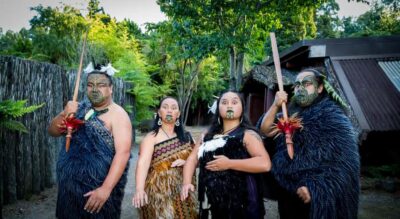
Mitai Maori Village: Cultural Experience and Dinner Buffet
Read our review →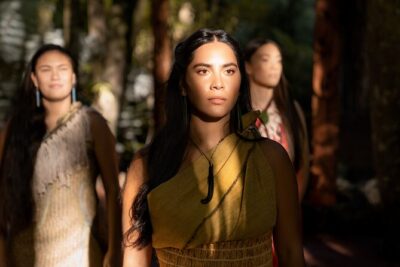
Cultural Experience & Seasonal Māori Cuisine at Te Pā Tū
Read our review →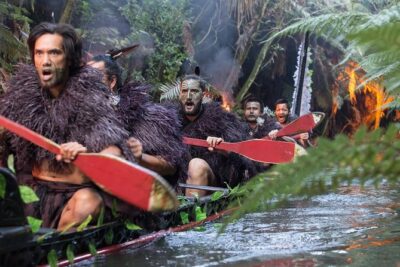
Mitai Maori Village Cultural Experience in Rotorua
Read our review →
Lake Taupo: Classical Sailing to the Māori Rock Carvings
Read our review →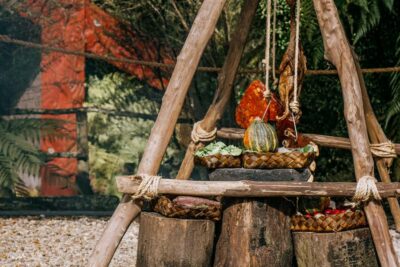
Te Pa Tu Māori Cultural Experience with Dinner
Read our review →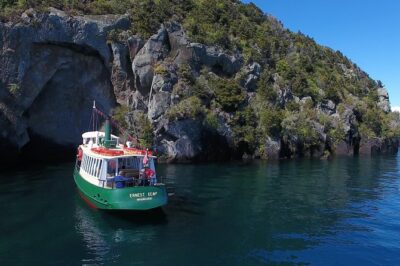
Lake Taupō Māori Rock Carvings Scenic Cruise aboard Ernest Kemp
Read our review →
Waitomo Caves & Rotorua – Te Puia Small-Group Tour from Auckland
Read our review →
Lake Taupo: Maori Rock Carvings 10.30 AM 1.5-Hour Cruise
Read our review →Browse the lists this tour appears in