
REVIEW · MAORI CULTURAL EXPERIENCES
Voyages of Maori at Mitai Maori Village
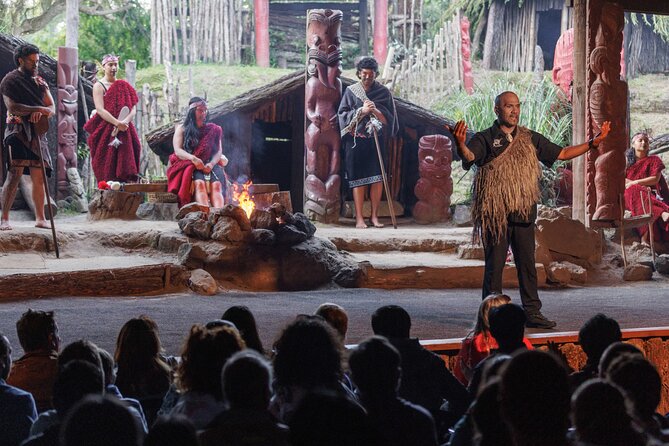
Culture comes alive beside the stream. Mitai Maori Village offers a compact, well-organized introduction to Māori traditions, with songs, chants, poi, weapons, haka, a forest walk, and a dramatic waka taua canoe scene. I especially like the warm, welcoming teaching style and the way the experience connects performance with explanations of Māori beliefs and daily life. The buffet meal is another strong point, with plenty of food and popular desserts.
The main consideration is timing. The 11:00 a.m. session can feel warm in the performance area, and some people found it harder to see the dancing from certain spots. The forest path also includes steps and uneven ground. Still, with a 97 percent recommendation rate and a 4.8 out of 5 rating, this is one of Rotorua’s more appealing choices for a first look at Māori culture.
In This Review
- Key things to know before booking
- What makes Mitai Maori Village worth your time
- Arriving at 196 Fairy Springs Road
- The forest path and the sacred spring
- The waka taua on Wai o Whiro Stream
- Haka, poi, waiata, and mōteatea
- The hangi buffet and what to expect at lunch
- The guide, questions, and personal connection
- How much value do you get for $86.26?
- Who should book this Rotorua experience?
- Timing, weather, and useful preparation
- Should you book Mitai Maori Village?
- FAQ
- Where does Mitai Maori Village begin?
- What time does the experience start?
- How long does the experience last?
- What is included in the ticket?
- Is lunch included?
- Can I buy alcohol at the village?
- Is the experience suitable for most people?
- Does the experience operate in bad weather?
- Where does the experience end?
- Can I cancel for a full refund?
Key things to know before booking
- The 11:00 a.m. visit lasts about two hours, making it easy to fit around other Rotorua plans.
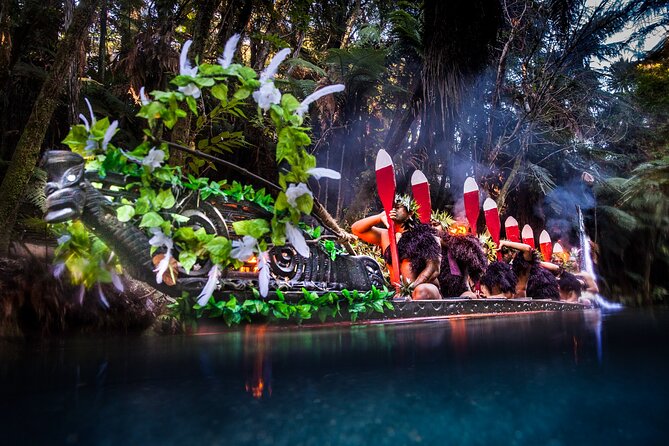
- A waka taua carries Māori warriors along Wai o Whiro Stream, creating one of the most memorable visual moments.
- The cultural presentation includes haka, poi, waiata, and mōteatea, with explanations rather than dance alone.
- The buffet meal includes a traditional earth-cooked hangi, along with tea, coffee, and spring water.
- The short forest walk reaches Te Wai Whakarukuhanga a Atua, known as the waters of the gods.
- The price is $86.26 per person, a fair rate if you value both the cultural program and the included meal.
What makes Mitai Maori Village worth your time
Rotorua is full of geothermal sights and activity tours, but Māori culture gives the city much of its character. Mitai Maori Village focuses on that culture through a mix of storytelling, performance, nature, food, and direct conversation.
I like that the program does not rely only on a loud stage show. The guide explains the meaning behind songs, dances, rituals, weapons, greetings, and beliefs. That context matters. Without it, a haka can become a dramatic spectacle with little connection to the people who created it. Here, the explanations help you understand what you are seeing.
The program also makes room for questions and discussion about Māori life in the present day. That gives the experience a wider frame. You are not only looking backward at a village from the past. You also hear about identity, family roots, and how younger Māori people connect with their heritage now.
The overall score of 4.8 out of 5 from 66 ratings reflects the strongest parts of the visit: the powerful singing and dancing, the friendly staff, the clear explanations, and the generous meal. The small number of criticisms mainly concern visibility, heat, food quality in some cases, and the hangi presentation.
More Maori cultural experiences in Rotorua:
- Mitai Maori Village: Cultural Experience and Dinner Buffet
★ 4.7 · 3,575 reviews - Cultural Experience & Seasonal Māori Cuisine at Te Pā Tū
★ 5.0 · 1,546 reviews - Mitai Maori Village Cultural Experience in Rotorua
★ 4.5 · 1,294 reviews
Arriving at 196 Fairy Springs Road
The village is at 196 Fairy Springs Road in Fairy Springs, Rotorua. The meeting point is also where the experience ends, and the site is near public transportation.
Your scheduled start is 11:00 a.m. Confirmation is provided when you book, and the activity accepts a maximum of 130 people. That is not a tiny group, so do not expect a private cultural lesson. The program is organized to keep a larger audience moving through the different parts of the experience.
At the beginning, you are introduced to the program and directed into the main hall. Seating is allocated around tables, which helps keep the buffet service orderly later. If seeing the performance clearly matters to you, pay attention to where you are seated and position yourself well when the group moves outside.
The daytime setting has one advantage: you still have most of the afternoon for Rotorua’s other attractions. It also has a drawback. Some people found the performance area warm at 11:00 a.m., with visibility harder from certain locations. A hat and light, comfortable layers are sensible, but you should also bring warm clothing because Rotorua weather can change quickly.
The forest path and the sacred spring
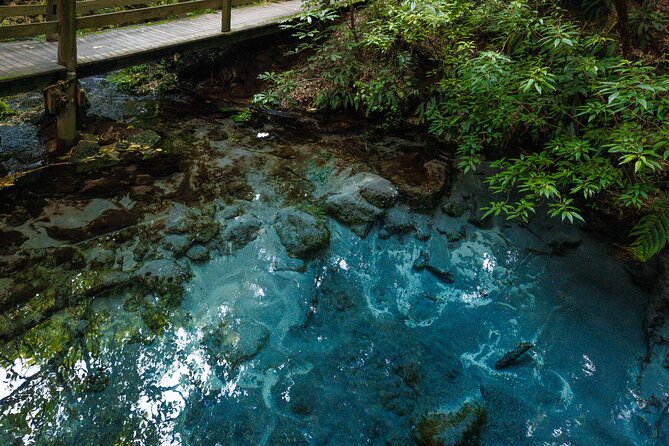
One of the quieter parts of the program is the walk through the forest to the spring called Te Wai Whakarukuhanga a Atua, or the waters of the gods. This adds a welcome change of pace after the opening presentation.
The walk is short, but it is not a perfectly flat promenade. You may encounter steps and uneven ground. Most people can take part, and the activity is described as accessible to anyone, but you should use care if you have limited mobility or find uneven paths difficult.
The natural setting gives the cultural explanations a stronger sense of place. You are not simply sitting in a hall hearing a lecture. You are being shown a site connected with Māori beliefs and the local environment. That connection between nature and culture is one of the most valuable parts of the visit.
Wear walking shoes with a decent grip. The experience operates in all weather, so rain can make the path less comfortable. A waterproof jacket is a better idea than hoping Rotorua will behave for two hours.
The waka taua on Wai o Whiro Stream
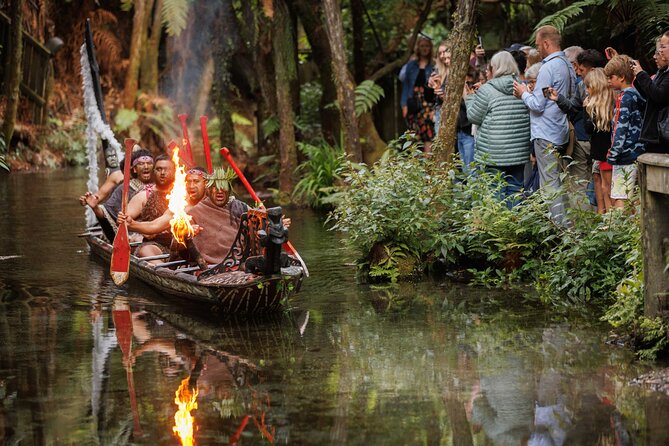
The canoe scene is the most theatrical part of the program. At Wai o Whiro Stream, a waka taua, or war canoe, moves along the water with Māori warriors in traditional regalia.
This moment works because it arrives after the forest walk. You have already heard some background, then suddenly the stream becomes a stage. The movement of the canoe, the clothing, and the warriors’ presentation create a strong visual introduction to Māori voyaging and martial tradition.
Do not expect a long boat ride for the audience. The point is to watch the waka pass and understand its cultural role. It is a carefully timed scene, but it does not feel detached from the natural setting.
The canoe display was one of the most frequently praised elements of the program. It is also a good reminder to keep your attention on the stream rather than only on the main performance area. The village visit is built from several short scenes, and each one contributes something different.
A few more to weigh up in Rotorua
- Rotorua Canopy Tours: 2.5Hour Native Forest Zipline Adventure
★ 5.0 · 4,563 reviews - Rotorua: Wai-O-Tapu Geothermal Park Entry Ticket
★ 4.6 · 2,601 reviews - Rotorua’s Ultimate Zipline: 6 ziplines, 400 m Tandem, Cliff Walk
★ 5.0 · 2,557 reviews - Rotorua Rafting: Kaituna River White Water Rafting & Free Sauna
★ 5.0 · 1,952 reviews
Haka, poi, waiata, and mōteatea
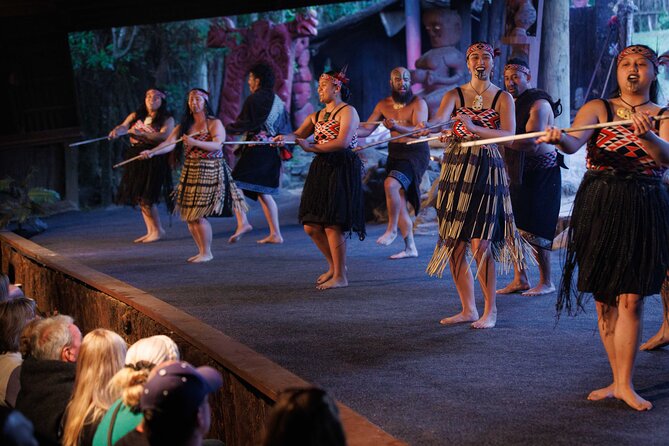
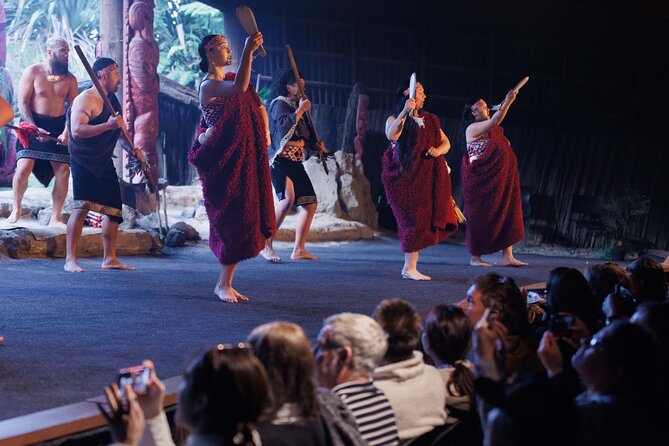
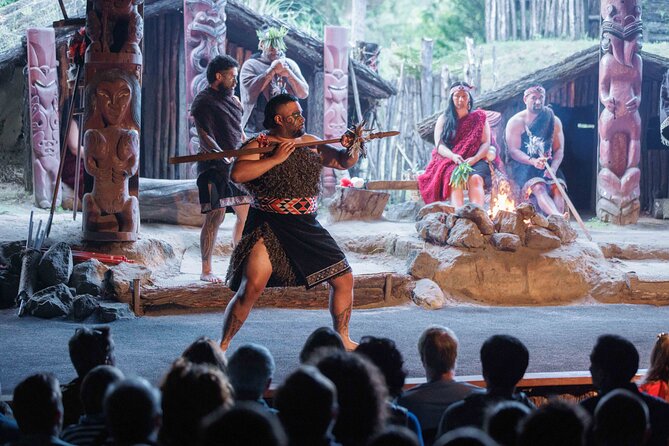
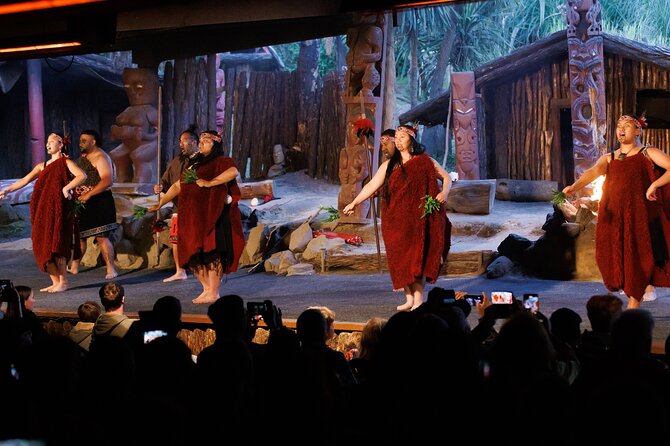
Back near the traditional dwellings, the cultural presentation brings together music, movement, storytelling, and demonstrations. You can expect haka, poi, songs called waiata, and chants known as mōteatea.
The presentation also covers traditional weapons and their use. The explanations help you understand that the gestures are not random choreography. They communicate history, identity, strength, welcome, and community values.
The haka is naturally one of the highlights. It has force, but the program does more than save the most famous dance for a grand finale. The narrator explains the dances and songs, along with rituals and other parts of Māori culture. That educational side is why I would recommend this experience to someone who wants more than a quick photo opportunity.
The singing is another major strength. The performance has a strong vocal element, and the waiata gives the program a gentler balance beside the haka and weapon demonstrations. If you enjoy live music, the voices may stay with you as much as the dancing.
A practical tip: sightlines may vary. The group can be sizable, and one person found the 11:00 a.m. location warm and difficult for viewing. Try to stand or sit where you have a clear view rather than assuming every spot will be equally good.
The hangi buffet and what to expect at lunch
The included buffet is a substantial part of the experience. You see the unveiling of an earth-cooked hangi, then return for a meal with a broad selection of dishes and desserts.
A hangi is food cooked in an earth oven, and its inclusion helps connect the meal to the cultural program. Food is not treated as an afterthought here. It is one of the main reasons the $86.26 price can make sense, especially if you would otherwise pay separately for lunch during a busy sightseeing day.
The overall response to the meal is very positive. People particularly praised the quantity, the desserts, and the mango cake. Tea, coffee, and spring water are included, which is useful at a daytime meal.
Food quality can vary by personal taste. One assessment found the buffet plentiful but not as strong as the performance, while most other comments describe it as delicious, excellent, or fabulous. I would set your expectations at a generous cultural buffet rather than a fine-dining meal.
There is an important point about the hangi unveiling. The program information says you will view the unveiling of the traditional earth-cooked hangi, but some people did not see the actual hangi being lifted from the ground. If that specific moment is central to your decision, keep this limitation in mind. The meal is clearly included, but the exact visibility of the cooking reveal may depend on where you are positioned or how the presentation runs that day.
Alcohol is not included, though alcoholic drinks are available to purchase.
The guide, questions, and personal connection
The guide and narrator play a key role in making the experience worthwhile. The strongest part of the commentary is its willingness to explain meaning rather than simply name objects.
You hear about Māori culture, beliefs, customs, language, music, and social values. The program also leaves time for questions, allowing you to ask about modern Māori life as well as earlier traditions.
That balance is important. A cultural village can feel shallow if it presents people only as figures from the past. Mitai’s program includes discussion of how young people find their roots and how Māori identity continues today. For me, that makes the visit more respectful and useful.
The staff are described as friendly, approachable, and professional. The tone is welcoming, and the emphasis is on sharing rather than putting distance between the performers and the audience. You should still approach the program with attention and respect. It is presented as a sharing of living traditions, not simply as a cabaret show.
How much value do you get for $86.26?
At $86.26 per person, this is not Rotorua’s cheapest cultural activity. The value depends on what you want from the morning.
You receive roughly two hours of organized programming, a cultural performance, a waka presentation, a forest walk, a guide, the buffet meal, tea, coffee, and spring water. If you are already planning to buy lunch and a separate cultural performance, the combined cost becomes easier to justify.
The experience is also efficient. It packs a great deal into a short visit without taking the whole day. That suits you if your Rotorua schedule includes geothermal attractions, a lake outing, or another afternoon activity.
The value is weaker if you want a small, quiet, highly personalized encounter. A maximum group size of 130 means the format is designed for a broad audience. You may have less individual attention than on a small guided walk.
I would also factor in the meal. If you enjoy trying a generous buffet and local cooking traditions, the price feels more reasonable. If food is not important to you, you may prefer a shorter cultural presentation at a lower cost.
Who should book this Rotorua experience?
I would recommend Mitai Maori Village to first-time visitors who want a clear introduction to Māori culture without committing to a full-day tour. Families and mixed-age groups should find the combination of performance, food, nature, and storytelling easy to follow.
It also suits people who want culture explained in plain terms. You do not need prior knowledge of Māori traditions to appreciate the haka, poi, waiata, waka, or hangi. The guide provides the background as the program unfolds.
You should be comfortable with a short forest walk and some uneven ground. The site welcomes most participants, but anyone with limited mobility should consider the steps and path conditions before booking.
This is less suitable if you dislike group programs, have strict dietary needs that are not confirmed here, or expect every detail of the hangi cooking process to be visible. The 11:00 a.m. heat and possible sightline problems are also worth considering.
Timing, weather, and useful preparation
Dress for changing weather. The activity runs in all weather, and the forest path can be uncomfortable if you arrive in delicate shoes or clothing that does not handle rain.
I would bring:
- Comfortable walking footwear
- Warm layers
- A rain jacket
- A hat for the daytime sun
- An open mind and a few questions
The tour begins at 11:00 a.m. and ends back at 196 Fairy Springs Road after about two hours. That makes it a practical choice for a morning cultural activity followed by an afternoon elsewhere in Rotorua.
Free cancellation is available up to 24 hours before the start time for a full refund. Changes or cancellations inside that window are not accepted, and the amount paid is not refunded. If poor weather or an insufficient number of bookings forces cancellation, you are offered another date or experience, or a full refund.
Should you book Mitai Maori Village?
Book it if you want a well-paced introduction to Māori culture that combines live performance, natural surroundings, a waka scene, and a generous buffet meal. The haka, singing, explanations, and friendly presentation receive the strongest praise, and the two-hour length fits neatly into a busy Rotorua itinerary.
Think twice if you need a small group, perfect sightlines, or a guaranteed close view of the hangi being lifted. Those are the main limitations.
For most people visiting Rotorua for the first time, I think the experience offers solid value at $86.26. You leave with more than a meal and a performance. You get a clearer sense of Māori traditions, values, and living culture, presented in a way that is approachable without feeling empty.
FAQ
Where does Mitai Maori Village begin?
The experience begins at 196 Fairy Springs Road, Fairy Springs, Rotorua 3015, New Zealand.
What time does the experience start?
The scheduled start time is 11:00 a.m.
How long does the experience last?
The experience lasts approximately two hours. The cultural village visit itself is listed as about one hour and 30 minutes.
What is included in the ticket?
The ticket includes the daytime cultural performance, haka, poi, the waka taua presentation, the forest walk to the sacred spring, the buffet meal, tea, coffee, spring water, a certified English-speaking guide, and a written guide in English.
Is lunch included?
Yes. A buffet meal is included as part of the experience. The program also includes the unveiling of an earth-cooked hangi.
Can I buy alcohol at the village?
Alcoholic drinks are not included, but they are available to purchase.
Is the experience suitable for most people?
Most people can participate. The activity includes a short forest walk with some steps and uneven ground.
Does the experience operate in bad weather?
Yes. It operates in all weather conditions, so you should dress appropriately and wear comfortable walking footwear.
Where does the experience end?
The activity ends back at the meeting point on Fairy Springs Road.
Can I cancel for a full refund?
You can cancel at least 24 hours before the start time for a full refund. Cancellations made less than 24 hours before the start time are not refunded.
Just added in Rotorua
- From Rotorua: Whirinaki Rainforest Guided Cultural Tour★ 5.0 · 6 reviews
- Whakarewarewa: Self-Guided Geothermal Trails★ 4.5 · 41 reviews
- Rotorua: Waimangu Volcanic Valley Entry Ticket★ 4.8 · 129 reviews
- Rotorua Sledging White Water Sledging | Kaitiaki Adventures★ 5.0 · 90 reviews
- Wonderworld Rotorua – New Zealand’s leading maze park★ 5.0 · 11 reviews
- White Island & Mount Tarawera Floatplane Adventure★ 5.0 · 8 reviews
- Whirinaki Forest Footsteps: Māori Guided Tour, Picnic & Transfer★ 5.0 · 5 reviews
- Rotorua to Auckland Afternoon Transfer with Waitomo Glow Worms★ 4.5 · 22 reviews
Maori Cultural Experiences, compared.
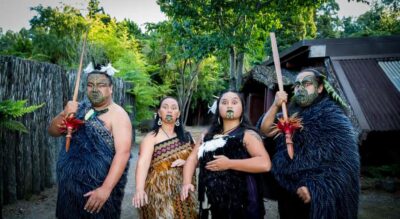
Mitai Maori Village: Cultural Experience and Dinner Buffet
Read our review →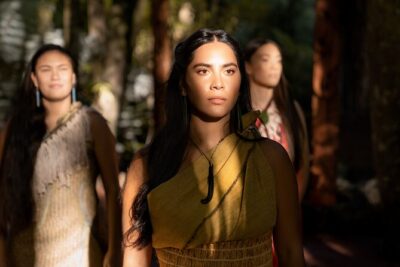
Cultural Experience & Seasonal Māori Cuisine at Te Pā Tū
Read our review →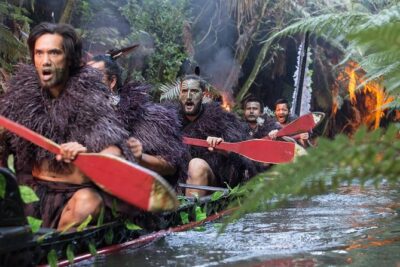
Mitai Maori Village Cultural Experience in Rotorua
Read our review →
Lake Taupo: Classical Sailing to the Māori Rock Carvings
Read our review →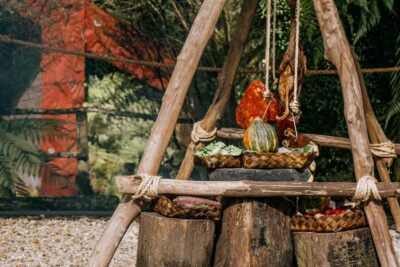
Te Pa Tu Māori Cultural Experience with Dinner
Read our review →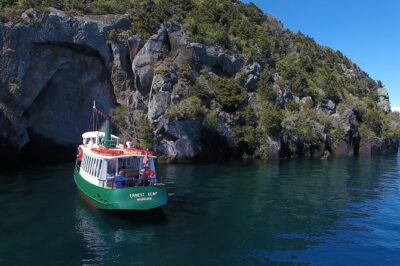
Lake Taupō Māori Rock Carvings Scenic Cruise aboard Ernest Kemp
Read our review →
Waitomo Caves & Rotorua – Te Puia Small-Group Tour from Auckland
Read our review →
Lake Taupo: Maori Rock Carvings 10.30 AM 1.5-Hour Cruise
Read our review →Browse the lists this tour appears in