
REVIEW · MAORI CULTURAL EXPERIENCES
Whakarewarewa Village Guided Tour
Rotorua’s living heart bubbles beneath your feet. Whakarewarewa Village gives you a close look at Māori community life alongside boiling mud pools, hot springs, and the famous Pohutu Geyser. I like the way the tour joins culture with daily life, rather than treating Māori traditions as a museum display. I also like the small food tasting: corn cooked in a hot pool is a simple but memorable detail.
The main trade-off is that this is a one-hour walking tour, not a full-day cultural program. If you want a longer performance, more time for exhibits, or a hands-on activity such as bathing, you may find the standard tour brief. Some visitors also expected more cultural storytelling and less time around geothermal features.
In This Review
- Key points to know before you go
- Why Whakarewarewa feels different from a standard attraction
- Starting at 17 Tryon Street
- Walking through a living Māori community
- Geothermal pools, mud, and Pohutu Geyser
- The corn cooked in a hot pool
- Culture, singing, and what is not included
- How much time should you allow?
- Is the $34.13 price good value?
- Who will enjoy this tour most?
- Small practical tips that improve the visit
- Booking and cancellation details
- Should you book Whakarewarewa Village?
- FAQ
- How long is the Whakarewarewa Village Guided Tour?
- Where does the tour start?
- Where does the tour finish?
- Is entry to the village included?
- What will I see during the tour?
- Is food included?
- How many people can join the tour?
- Can I cancel for a full refund?
Key points to know before you go
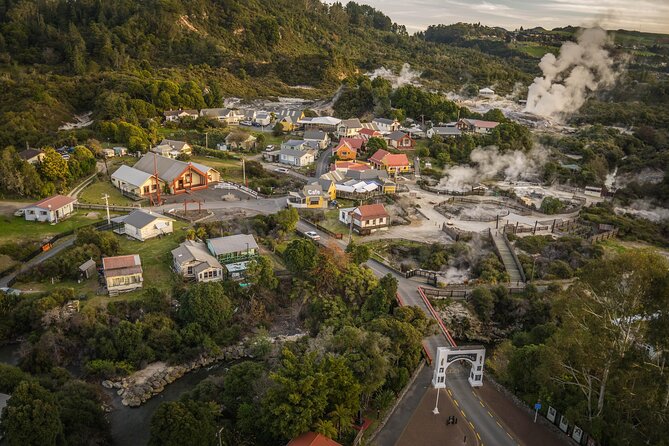
- A real working village: Whakarewarewa is home to the Tūhourangi Ngāti Wāhiao people, who have welcomed visitors for more than 200 years.
- Pohutu Geyser viewing: You see the famous geyser safely from two viewing platforms, along with mud pools and hot springs.
- Local guides shape the visit: Guides such as Philip, Daniel, and Kylie have been praised for warmth, humor, strong local knowledge, and personal stories.
- Geothermal cooking included: The tour includes a chance to taste corn cooked in the village’s largest hot pool.
- Allow for walking: Comfortable shoes matter, and rain can affect the experience, so bring suitable clothing.
- Performance is separate: Traditional singing and cultural shows may be available at set times, but they are not part of the basic one-hour guided tour.
Why Whakarewarewa feels different from a standard attraction
Rotorua has plenty of geothermal sights. Whakarewarewa adds something more important: people.
This is not simply a park filled with steaming pools and warning signs. It is the home of the Tūhourangi Ngāti Wāhiao people, a community that has guided visitors through this remarkable area for generations. That gives the tour a human scale. You are not only looking at volcanic activity. You are learning how people built a life around it.
The geothermal features shaped cooking, bathing, heating, and settlement. The tour helps connect those practical uses with Māori traditions and village history. I find that connection far more useful than seeing a geyser in isolation and moving on five minutes later.
The village’s guiding tradition reaches back more than two centuries. That matters because tourism here is not a recent add-on. Māori residents were among New Zealand’s first tourism guides, showing outsiders how to understand the hot springs and geysers while sharing their own customs and stories.
More Maori cultural experiences in Rotorua:
- Mitai Maori Village: Cultural Experience and Dinner Buffet
★ 4.7 · 3,575 reviews - Cultural Experience & Seasonal Māori Cuisine at Te Pā Tū
★ 5.0 · 1,546 reviews - Mitai Maori Village Cultural Experience in Rotorua
★ 4.5 · 1,294 reviews
Starting at 17 Tryon Street
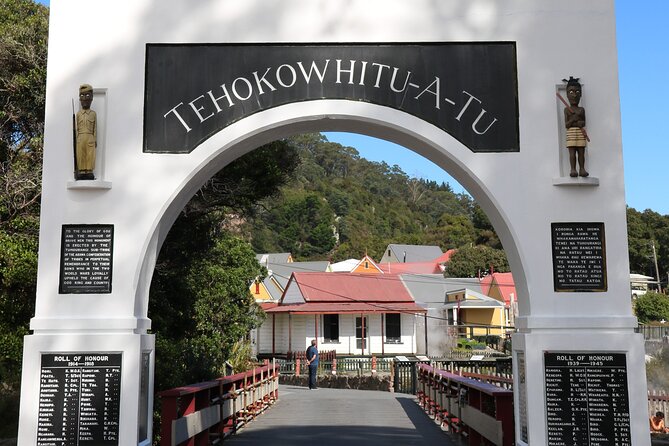
The meeting point is Whakarewarewa, The Living Māori Village, at 17 Tryon Street in Rotorua. The tour ends back at the same place, which keeps the outing easy to fit into a day of sightseeing.
Prebooking is useful because you select a time slot in advance and secure entry. The activity is near public transportation, and the group size is limited to a maximum of 20 people. That is a sensible size for a walking tour. A guide can answer questions without the group becoming unwieldy, though you will still want to stay close during the route.
The tour lasts about one hour. Arrive ready to walk outdoors, since the village paths take you between geothermal areas and viewing points. One of the most practical tips is to wear comfortable shoes. Rain does not stop the cultural value of the visit, but it can make the hour less pleasant, so a waterproof layer is a smart choice.
Walking through a living Māori community
The central attraction is the guided walk through the village. Your guide explains the community’s past and present, Māori customs, and the way geothermal energy has shaped everyday routines.
The strongest guides bring the place to life with personal connection. Guides described in the experience feedback include Philip, Daniel, and Kylie. Philip was praised for answering questions and tailoring his explanations to the group. Daniel was noted for his energy and ability to keep people engaged. Kylie was described as warm and passionate about Māori culture.
You may also have a guide who grew up in the village or comes from a long line of local residents. One guide was described as a fifth-generation Māori from Whakarewarewa, while another was identified as the chief’s daughter. Those details can make a real difference. A story about childhood, family, or village life is easier to remember than a string of dates.
The tour also touches on the village’s history before and after colonisation. That subject can be handled in different ways depending on the guide. Most of the feedback praises the historical and cultural explanations, but one experience felt the commentary became too political. I would treat that as a reminder that the guide’s personality and approach will shape your hour.
Geothermal pools, mud, and Pohutu Geyser
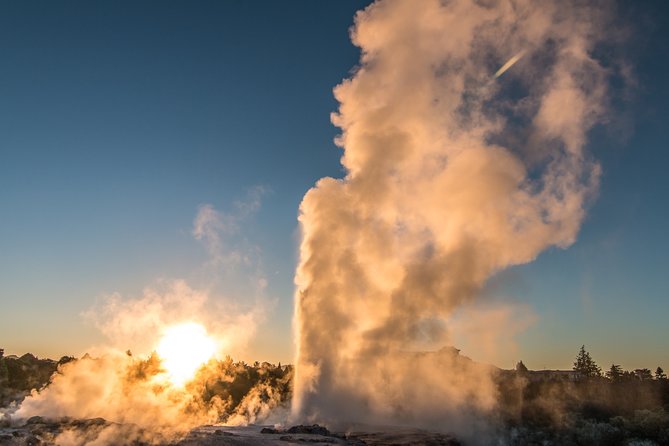
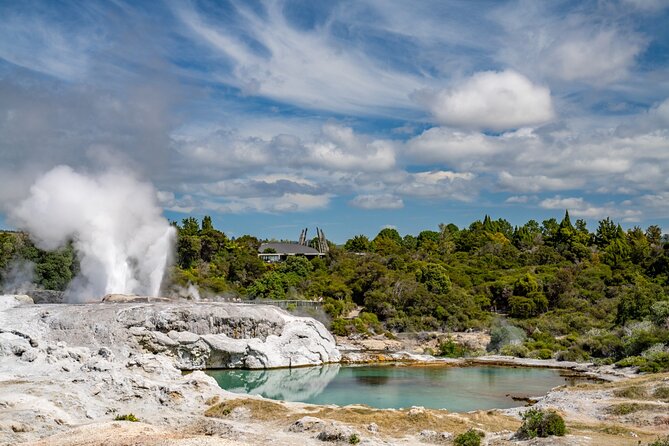
The geothermal setting is impossible to ignore. Steam rises from hot springs, mud pools bubble, and the ground reminds you that Rotorua sits in an active volcanic zone.
Pohutu Geyser is the star feature. You view it from two platforms designed to keep the group at a safe distance. The geyser gives the tour a dramatic center, but the smaller pools and steaming areas help explain why the village developed here in the first place.
This is where expectations matter. If you mainly want geothermal scenery, you will get plenty of it. If you booked the tour hoping for a long cultural performance or extended discussion of Māori art, family structures, and traditional practices, the standard route may feel short.
One visitor described the tour as more focused on hot springs than expected. That is a fair caution. Whakarewarewa is both a cultural experience and a geothermal attraction, and the balance may not be exactly what every visitor wants.
Still, I think the combination is the point. The pools are not random scenery placed beside the village. They help explain how the community lived and continues to live in this unusual environment.
A few more to weigh up in Rotorua
- Rotorua Canopy Tours: 2.5Hour Native Forest Zipline Adventure
★ 5.0 · 4,563 reviews - Rotorua: Wai-O-Tapu Geothermal Park Entry Ticket
★ 4.6 · 2,601 reviews - Rotorua’s Ultimate Zipline: 6 ziplines, 400 m Tandem, Cliff Walk
★ 5.0 · 2,557 reviews - Rotorua Rafting: Kaituna River White Water Rafting & Free Sauna
★ 5.0 · 1,952 reviews
The corn cooked in a hot pool
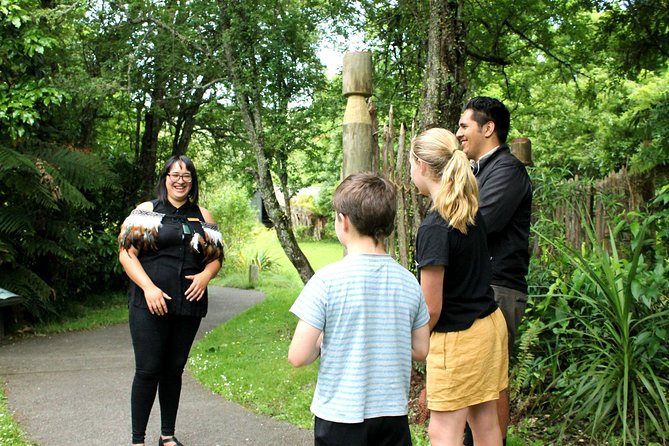
The tasting is a small part of the experience, but it gives the tour a welcome sensory touch. You have the opportunity to try a piece of corn cooked in the village’s largest hot pool.
The corn connects the geothermal features to daily life in a direct way. You are not merely told that the pools have practical uses. You get a taste of one of them.
It is not a meal, so do not treat this as a food tour. Think of it as a sample that makes the explanation more memorable. The sweet corn received plenty of praise, and it is one of the details families are likely to remember after the geyser and mud pools blur together.
Culture, singing, and what is not included
The basic guided tour includes Māori stories, traditions, village life, geothermal features, and the corn tasting. It may also include traditional singing or chants during the guide’s presentation, depending on how the tour is conducted.
A separate cultural performance may be offered at set times, including 11 a.m., noon, and 1 p.m., but the supplied details indicate that this may cost extra. Do not assume your one-hour booking includes a full concert or stage show.
This is the source of some disappointment. A visitor who took the 11 a.m. tour missed the singing that followed. Another enjoyed the village walk but felt it did not provide the cultural experience expected. If music and performance are central to your plans, check the available times before choosing your entry slot.
The village also has a museum, shops, a cafe, and gift shops. These give you more time to look around before or after the guided walk. If you choose the 3 p.m. tour, plan carefully because the shop may be closed by the time you finish.
How much time should you allow?
The guided portion takes about one hour, but I would not schedule it as a rushed stop between two tightly timed activities. You may want time to visit the museum, browse the shops, stop at the cafe, or look more closely at areas the guide passed quickly.
The route is paced as a group. One useful strategy is to stay with the guide during the main walk, then return to areas that interest you if there is time afterward. This gives you the explanations first and the freedom to inspect details at your own pace later.
The short duration is an advantage if your Rotorua schedule is crowded. You get a focused introduction without giving up half the day. It is less suitable if you want an extended cultural program with several activities.
Is the $34.13 price good value?

At $34.13 per person, the tour offers reasonable value for a guided cultural visit with geothermal sights. Your admission includes the one-hour walk, access to the village, views of Pohutu Geyser, the hot springs and mud pools, and the opportunity to taste geothermal-cooked corn.
The value comes from the guide and the setting, not from the length. One hour is enough for an introduction, but you are paying for interpretation as much as admission. A strong guide can connect the village’s history, Māori traditions, and geothermal way of life in a way that a self-guided walk cannot.
I would call the price worthwhile for a first visit to Rotorua, especially if you want both culture and natural features in one stop. It is less compelling if you only want to see geysers, since Rotorua offers other geothermal attractions, or if you expect an included concert, substantial meal, or hands-on activity.
The 4.7 rating from 477 reviews and 92 percent recommendation level suggest that the experience works well for most people. The less positive responses are useful because they point to the same issue: expectations. Book it as a guided village and geothermal introduction, not as a complete Māori performance package.
Who will enjoy this tour most?
I would recommend Whakarewarewa to you if you want context for Rotorua’s geothermal activity and prefer hearing from local Māori guides. Families should find the walk accessible in spirit, since it combines colorful stories, dramatic natural features, and a food sample.
It also suits visitors with limited time. The one-hour format is easy to place into a Rotorua itinerary, and the return to the same meeting point keeps the logistics simple.
You may want something longer if you are especially interested in traditional performance, Māori carving, extended historical discussion, or interactive cultural activities. The basic tour gives you an introduction, not an all-day program.
People who dislike outdoor walking should also think twice. The route includes geothermal areas and viewing platforms, and comfortable footwear is recommended. Most people can participate, but the experience is still a walking tour rather than a seated presentation.
Small practical tips that improve the visit
Choose your time with care. Earlier slots may leave room for the museum, cafe, shops, or a separate performance afterward. A late afternoon booking can work well, but the shops may be closed when you finish.
Ask questions. The best parts of the tour often come from the guide’s personal knowledge, family stories, and explanations of modern village life. Guides such as Philip, Daniel, and Kylie have been praised for humor, patience, and an ability to respond to individual interests.
Keep a little change handy if you want to take part in the penny divers activity mentioned in the experience feedback. Dollar coins were specifically recommended.
Dress for the weather. The tour can still be enjoyable in heavy rain, but wet paths and steaming geothermal areas are not a great match for flimsy shoes. Comfortable footwear and a rain layer make the hour easier.
Finally, do not rush away when the guided portion ends. The walk moves at a group pace, and you may notice more if you have time to revisit the village afterward.
Booking and cancellation details
The tour costs $34.13 per person and accepts a maximum of 20 people. Confirmation is provided at booking, and public transportation is nearby.
Free cancellation is available if you cancel at least 24 hours before the local start time. Changes or cancellations within 24 hours are not accepted for a refund. The experience requires good weather, and if the operator cancels because of poor conditions, you are offered another date or a full refund.
Should you book Whakarewarewa Village?
Book it if you want a concise, local-led introduction to Māori life and Rotorua’s geothermal world. The combination of a living community, Pohutu Geyser, bubbling pools, personal stories, and geothermal corn gives you more meaning than a quick photo stop.
Go in expecting one focused hour, not a complete cultural festival. If you want a performance, check the schedule and possible extra cost before booking. If you want a longer visit, choose a time that leaves room for the museum, cafe, shops, or another activity.
For most first-time visitors to Rotorua, I think it is a worthwhile choice. The village gives the geothermal sights a human story, and that is what makes the visit stick.
FAQ
How long is the Whakarewarewa Village Guided Tour?
The guided tour lasts approximately one hour.
Where does the tour start?
It starts at Whakarewarewa, The Living Māori Village, 17 Tryon Street, Whakarewarewa, Rotorua 3010, New Zealand.
Where does the tour finish?
The activity ends back at the meeting point at 17 Tryon Street.
Is entry to the village included?
Yes. Admission to Whakarewarewa, The Living Māori Village, is included.
What will I see during the tour?
You will see boiling mud pools, hot springs, and Pohutu Geyser from two viewing platforms. The guided walk also covers Māori traditions, village life, and local history.
Is food included?
The tour includes an opportunity to try a piece of corn cooked in the village’s largest hot pool.
How many people can join the tour?
The activity has a maximum group size of 20 people.
Can I cancel for a full refund?
Yes, if you cancel at least 24 hours before the experience start time. Cancellations made less than 24 hours in advance are not refunded. If the operator cancels because of poor weather, you are offered a different date or a full refund.
Just added in Rotorua
- Te Puia: Tuku Iho Trail with Cultural Show★ 5.0 · 5 reviews
- Te Puia: Te Rā Guided Day Tour + Haka Cultural Performance★ 4.7 · 128 reviews
- Te Puia: Te Pō Indigenous Combo – Tour, Dinner + Haka★ 4.4 · 52 reviews
- Rotorua: White Island, Mount Tarawera & Waimangu Volcanic …★ 4.4 · 5 reviews
- Rotorua: Wai Ariki Hot Springs & Spa 1hr Restorative Bathing★ 4.8 · 16 reviews
- Rotorua: Velocity Valley – NEW Vertigo 43m drop★ 5.0 · 3 reviews
- Rotorua: Volcano Landing and Geothermal Park Helicopter Tour★ 5.0 · 1 review
- Rotorua: Velocity Valley – Two Ride Pass★ 4.6 · 8 reviews
Maori Cultural Experiences, compared.
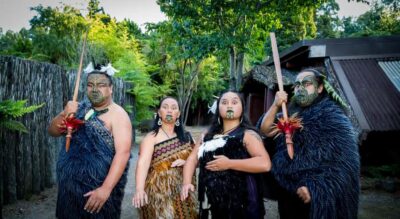
Mitai Maori Village: Cultural Experience and Dinner Buffet
Read our review →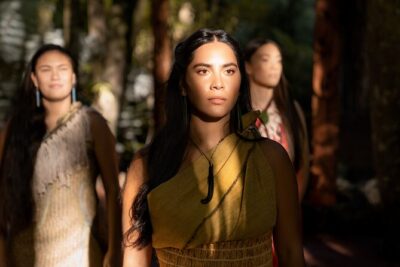
Cultural Experience & Seasonal Māori Cuisine at Te Pā Tū
Read our review →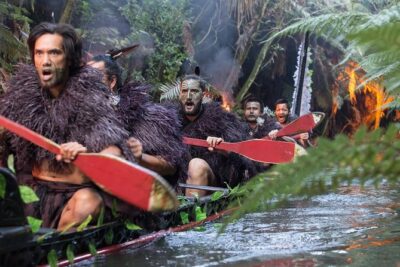
Mitai Maori Village Cultural Experience in Rotorua
Read our review →
Lake Taupo: Classical Sailing to the Māori Rock Carvings
Read our review →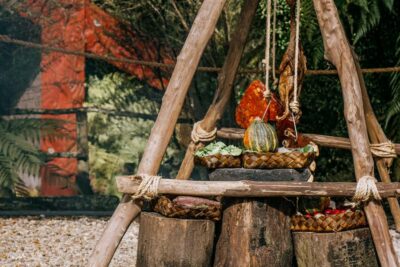
Te Pa Tu Māori Cultural Experience with Dinner
Read our review →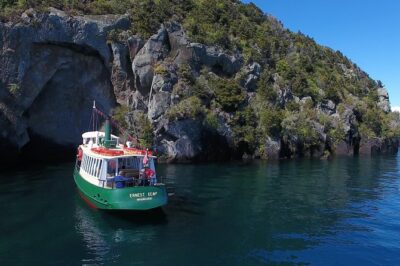
Lake Taupō Māori Rock Carvings Scenic Cruise aboard Ernest Kemp
Read our review →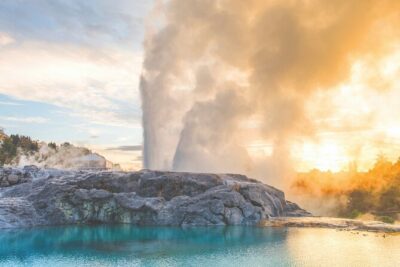
Waitomo Caves & Rotorua – Te Puia Small-Group Tour from Auckland
Read our review →
Lake Taupo: Maori Rock Carvings 10.30 AM 1.5-Hour Cruise
Read our review →Browse the lists this tour appears in