
REVIEW · NEW ZEALAND
Rotorua: The Buried Village of Te Wairoa
History is waiting beneath your feet. Just 15 minutes from Rotorua, the Buried Village of Te Wairoa combines an excellent museum, archaeological remains, and a forest walk to Te Wairoa Falls. I especially like the clear connection between the excavated homes and the 1886 eruption, plus the chance to see the land recovering along the waterfall trail. The main consideration is that the falls path includes steep steps, so comfortable shoes matter.
This is not a quick photo stop. Give yourself at least 90 minutes, and longer if you want the museum, village ruins, waterfall, café, and gift shop without rushing. You can follow the signs at your own pace, use the English audio guide, or join scheduled talks and living-history presentations.
At $14 per person, the site offers good value for a half-day outing, especially since the price covers the museum, archaeological area, Te Wairoa Trail, and waterfalls. Food, drinks, and transport are extra, and the entrance is at 1180 Tarawera Road, rather than in central Rotorua.
In This Review
- Key Things to Know Before You Go
- Why Te Wairoa Matters Near Rotorua
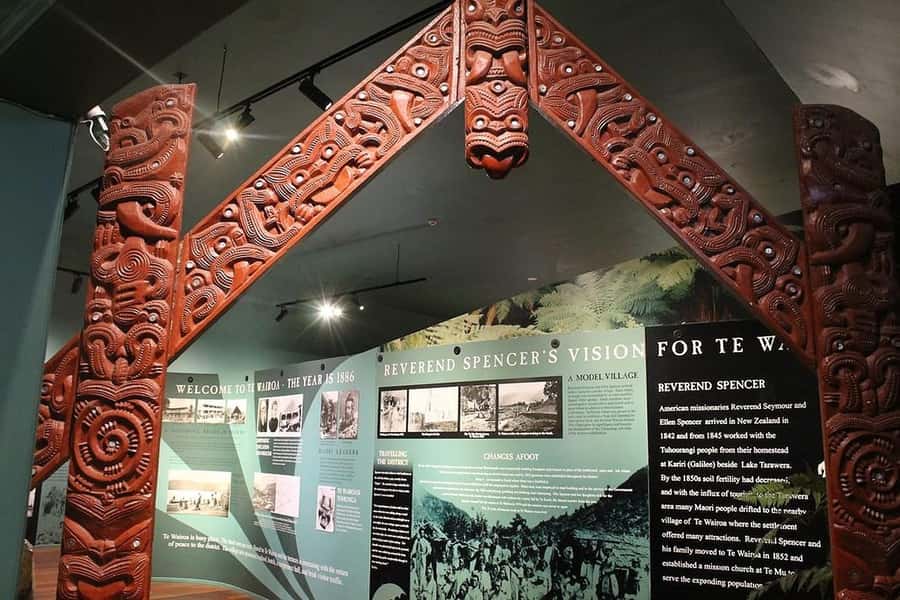
- Begin With the Museum’s 1800s Collection
- Walking Through the Buried Village
- The Waterfall Trail to Te Wairoa Falls
- Café, Costumes, and the Last Half Hour
- How Much Time Should You Allow?
- Is the $14 Entrance Fee Good Value?
- Who Will Enjoy This Experience Most?
- Practical Tips for a Better Visit
- Should You Book the Buried Village of Te Wairoa?
- FAQ
- Where is the Buried Village of Te Wairoa?
- How long should I spend at the Buried Village?
- Is the waterfall trail included?
- Is the waterfall walk difficult?
- Is food available at the site?
- Is the Buried Village wheelchair accessible?
Key Things to Know Before You Go
- The eruption happened on June 10, 1886: Mt. Tarawera destroyed Te Wairoa and buried the village under ash and volcanic debris.
- Start in the award-winning museum: Excavated objects from the 1800s help you understand the people and buildings before you walk among the ruins.
- The waterfall trail is a highlight: Te Wairoa Falls is reached by a scenic path with steps, and the view is especially impressive after heavy rain.
- You can choose your level of guidance: Local hosts, scheduled talks, plaques, and an English audio guide let you explore in the style that suits you.
- Families have extra ways to engage: A clue-based scavenger hunt and Victorian-style clothing make the history more hands-on.
- Plan time for Smith & Co: Scones, pastry pies, Devonshire tea, hot chocolate, lunch, and coffee make the café a useful stop before or after the walk.
Why Te Wairoa Matters Near Rotorua
Rotorua is famous for bubbling mud, steaming ground, and volcanic scenery. Te Wairoa gives that volcanic story a human scale. Here, you are not simply looking at a crater or a dramatic rock formation. You are walking through the remains of a community that was suddenly buried.
Before the eruption, Te Wairoa was a settlement of Māori residents and missionaries. It also served people visiting the famous Pink and White Terraces, a natural attraction that was destroyed on the same night as the village. The eruption changed the area in a matter of hours and took many lives.
The site is cared for under the kaitiakitanga of the Smith family, who have overseen its excavation for nearly 90 years. That long connection adds weight to the visit. The village is presented not as a pile of old stones, but as a place where families lived, worked, and faced a disaster that no one could control.
I like that the museum comes first. Without that introduction, the archaeological remains could be hard to read. After seeing the household objects and learning about the settlement, the foundations and buried structures outdoors begin to make sense.
Other trips worth a look in New Zealand:
- Hobbiton Movie Set: Guided Tour Ticket
★ 4.9 · 8,167 reviews - Waitomo: Glowworm Caves Guided Tour by Boat
★ 4.5 · 4,908 reviews - Rotorua Canopy Tours: 2.5Hour Native Forest Zipline Adventure
★ 5.0 · 4,563 reviews
Begin With the Museum’s 1800s Collection
The museum is the best starting point, even if you are eager to get outside. It provides the basic timeline, explains the eruption, and introduces the people of Te Wairoa before you walk through the site.
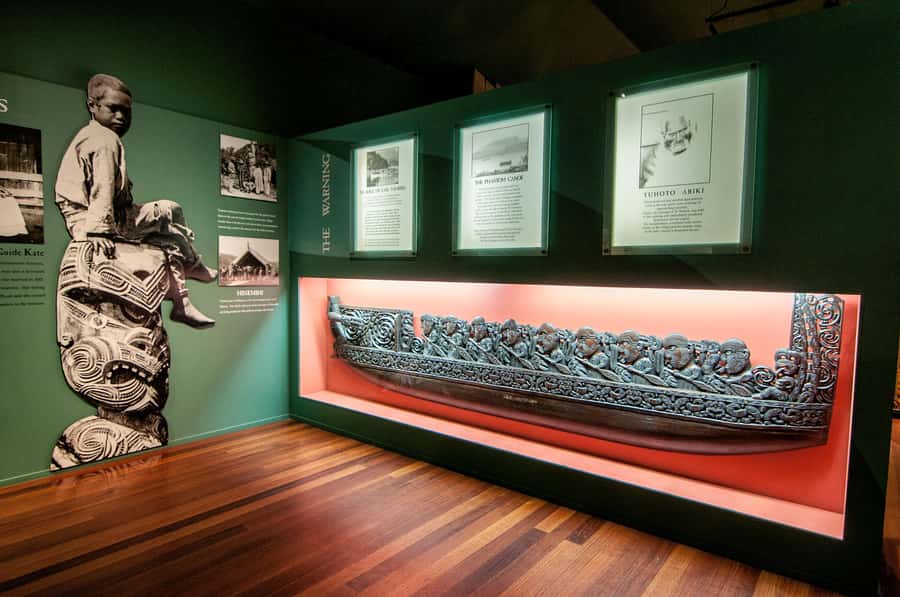
Expect an extensive collection of objects excavated from the village. These items help show everyday life in the 1800s, including the European and Māori presence at Te Wairoa. The museum is interactive rather than simply a room of labels, and the presentation is designed to make the eruption easier to understand.
An audio guide in English is included. If you prefer human storytelling, scheduled talks and living-history sessions with costumed guides take place during the day. The local guides add useful detail about the night Mt. Tarawera erupted, including the confusion and destruction that followed.
The museum can feel chilly, so bring a layer even on a sunny day. One useful rhythm is to spend time indoors first, then head outside to warm up on the trail. If the weather is poor, the museum also gives you a worthwhile part of the visit before you decide how long to stay outdoors.
A newer optional feature is the VR experience, which costs a little extra. I would consider it if you want a stronger visual sense of the eruption or if your group enjoys interactive technology. It is not necessary for understanding the site, but it can add another way to picture what happened.
Walking Through the Buried Village
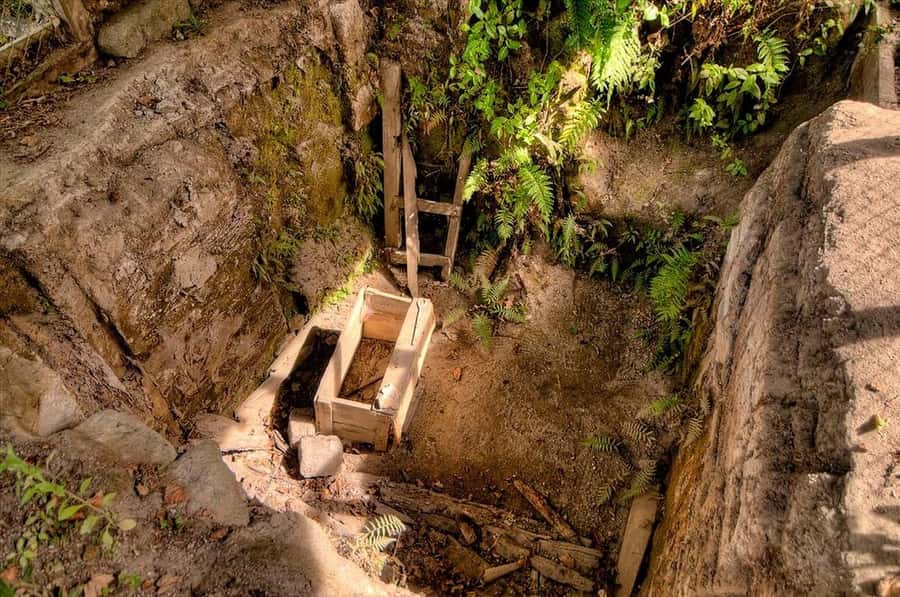
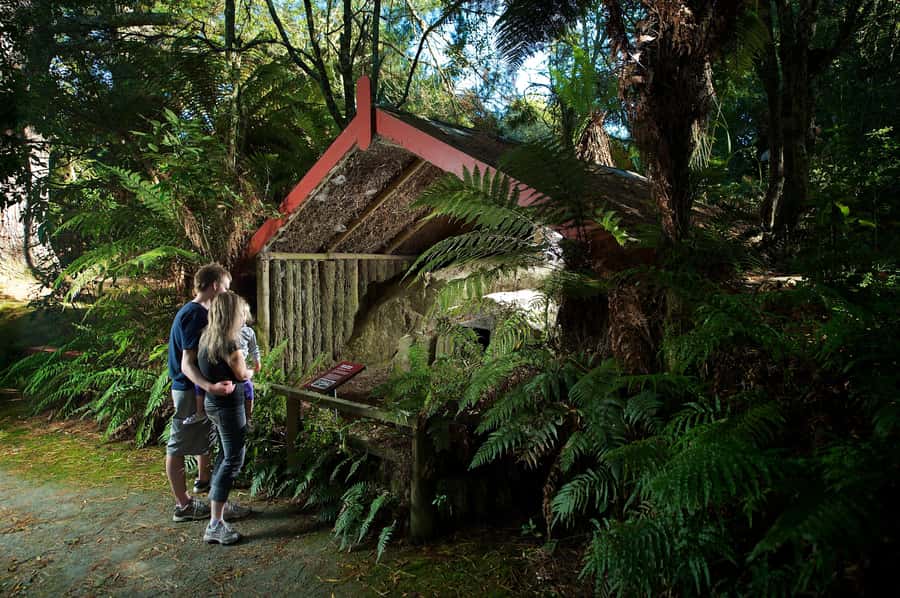
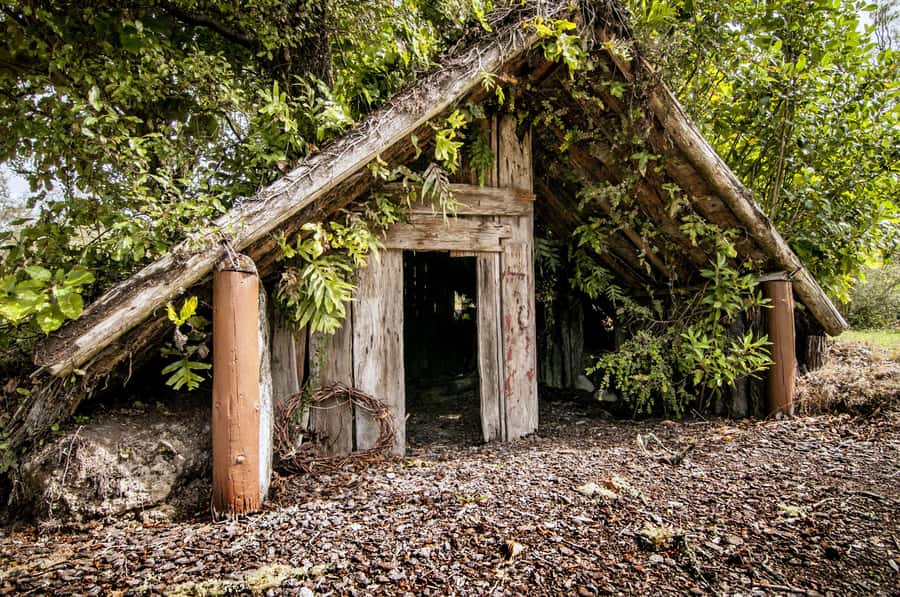
The outdoor route leads through the archaeological remains of Te Wairoa. You will see the foundations and traces of buildings that were covered by the eruption. Signs and plaques explain what stood in each area and help connect the physical remains with the stories introduced in the museum.
The effect is quiet and a little eerie. You are walking through a village that once had daily routines, guests, homes, and work spaces, yet much of what remains is partial and subdued. That is part of the power of the place. The site asks you to imagine the missing walls and people instead of presenting a fully rebuilt settlement.
Take your time with the signs. Some are more useful than others, and one account found that a few could be improved. The museum and audio guide help fill those gaps, so I would not rely only on the outdoor plaques.
A host-led introduction before the walk can be especially helpful. It gives you a framework for what you are about to see, including examples of the kinds of properties that would have been in the village. If you arrive between talks, the self-guided route still works well because it is mapped and clearly signposted.
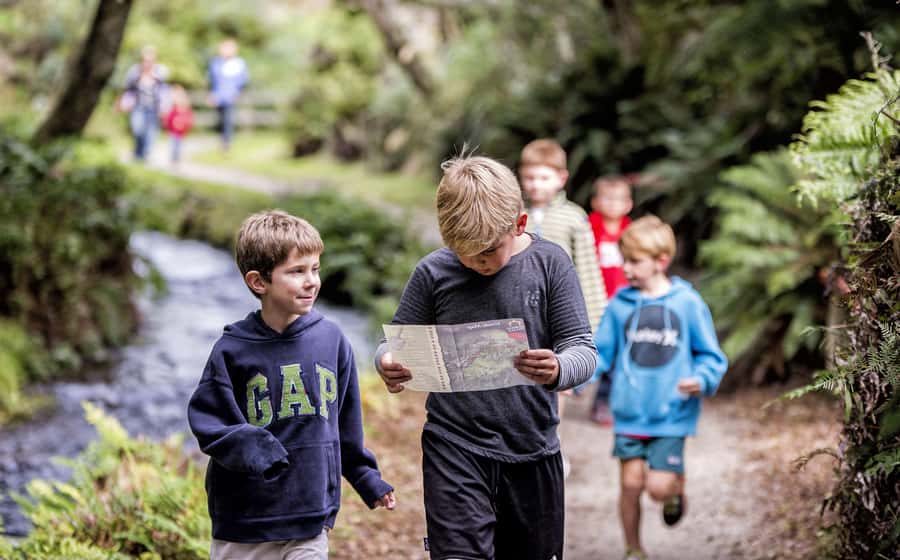
Families may want to use the clue scavenger hunt, which leads children through the museum and park areas. It turns the visit into a small mission rather than a long sequence of signs. Adults traveling alone or as a couple can simply follow the route and stop where the story catches their attention.
The Waterfall Trail to Te Wairoa Falls
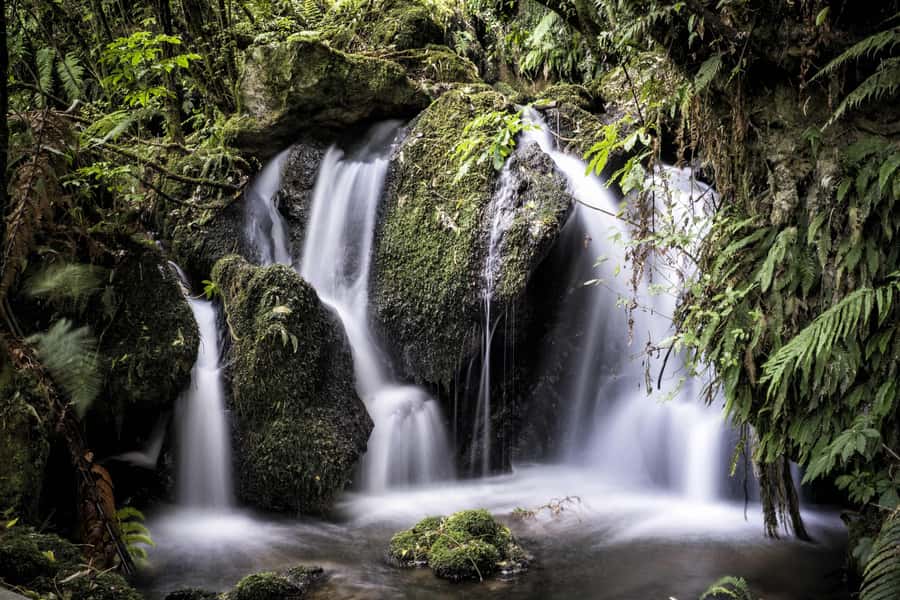
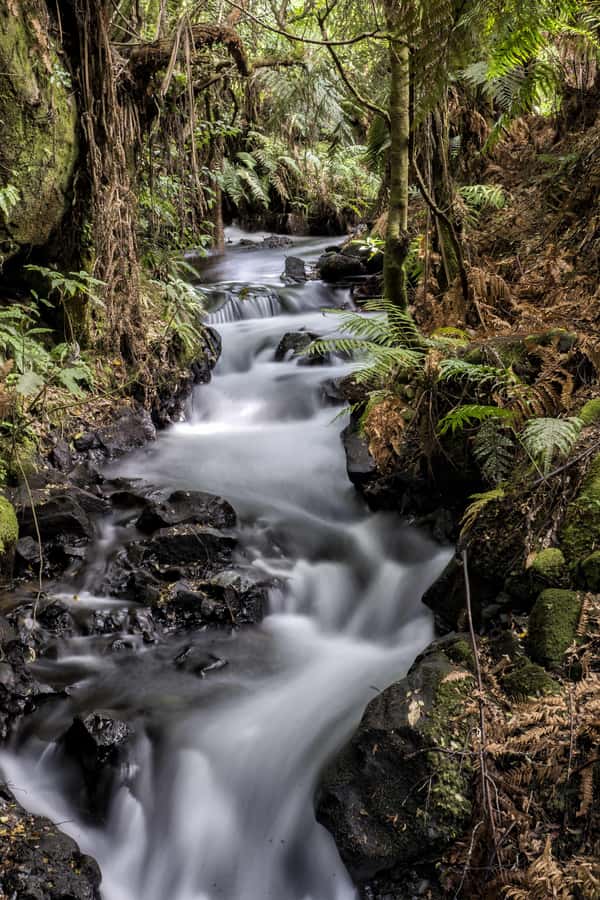
The waterfall path is the part I would not skip. It follows the stream through native plants and forest, showing how the area has recovered after such violent destruction. The scenery changes the mood of the visit from historical reflection to a pleasant outdoor walk.
Te Wairoa Falls is reached after a walk of roughly 10 to 15 minutes, according to the practical experience shared by visitors to the site. The route includes steps and can be steep in places. It is not a demanding mountain hike, but it is not completely flat either.
At the bottom, the falls can be viewed through the mist. After heavy rain, the water may be especially powerful and dramatic. Even in drier conditions, the setting gives you a strong finish to the archaeological walk.
I would wear shoes with a good grip and take care on the stairs. If your mobility is limited, check the route conditions before setting out, even though the overall attraction is wheelchair accessible. The waterfall section is the main part that may require extra thought.
The trail also gives the visit a useful balance. The museum explains the past, the ruins show the damage, and the forest and waterfall show renewal. You get a fuller sense of the place by doing all three rather than stopping after the museum.
A completely different sort of day out:
- Hobbiton™ Movie Set Walking Tour from Shires Rest
★ 5.0 · 3,577 reviews - Mitai Maori Village: Cultural Experience and Dinner Buffet
★ 4.7 · 3,575 reviews - Waiheke Island: Ferry & Hop-On Hop-Off Explorer Bus Tickets
★ 4.6 · 3,311 reviews - Kaikoura: Whale Watching Cruise
★ 4.6 · 3,089 reviews
Café, Costumes, and the Last Half Hour
Smith & Co, the onsite café, is well placed for a break. You can order scones with whipped cream and jam, pastry pies, Devonshire tea, hot chocolate, coffee, or a freshly made lunch. Food and drinks are not included in the entry price, but having a café on site means you do not need to leave the attraction when you want something warm.
The café is also part of the site’s old-fashioned character. Victorian-style clothing is available for dress-up photographs, which can be a fun extra for families and anyone who enjoys a bit of harmless historical theater. It is not essential, but it gives children a more active way to connect with the period.
The gift shop offers a broad range of goods and souvenirs. I would save it for the end, after the museum and waterfall. By then, you will have a better sense of what kind of memento feels connected to the visit rather than simply browsing at the start.
How Much Time Should You Allow?
The stated duration is one day of validity, but the actual visit is usually measured in hours. The minimum sensible stay is about 90 minutes. That allows time for the museum, village path, and a brisk look at the falls.
For a more relaxed visit, allow two to three hours. That gives you room to:
- Read the museum displays
- Listen to an audio guide or attend a talk
- Walk around the archaeological area
- Complete the waterfall trail
- Stop at Smith & Co
- Browse the gift shop
If you are traveling with children, add time for the scavenger hunt and Victorian clothing. If you want lunch at the café, do not try to squeeze the whole attraction into a one-hour gap between other Rotorua activities.
The site is only a short drive from Rotorua, making it easy to combine with another outing. Hotel pickup and drop-off are not included, so you need to arrange your own transport to 1180 Tarawera Road. The location is straightforward for a self-drive day trip, but the price applies to entry rather than a complete transport package.
Is the $14 Entrance Fee Good Value?
At $14 per person, I consider this a strong-value attraction for anyone interested in history, Māori culture, archaeology, or volcanic events. Your ticket includes entry to the Buried Village, the Museum of Te Wairoa, the archaeological grounds, the main trail, and access to Te Wairoa Falls.
That is more than a museum ticket. You get an indoor collection, an outdoor historical site, and a nature walk in one stop. The waterfall alone is a memorable reward, while the ruins give the outing a clear purpose beyond scenery.
The value depends on how much time you spend. If you rush through in 45 minutes, the price feels less impressive. If you give the site two hours and use the museum, audio guide, and falls path, it becomes a well-rounded Rotorua activity.
Food, drinks, the optional VR experience, and transport cost extra. Those extras are easy to skip, so you can keep the outing affordable. The café is convenient, but you are not required to buy anything to enjoy the main attraction.
Free cancellation up to 24 hours in advance and reserve-now, pay-later booking terms also make it easier to fit the visit into a changeable Rotorua schedule. The ticket is valid for one day, with starting times subject to availability.
Who Will Enjoy This Experience Most?
I would recommend Te Wairoa to families, solo visitors, couples, and anyone who wants more substance than a quick scenic stop. The scavenger hunt helps younger children stay engaged, while the museum and archaeological remains give adults plenty to think about.
It is a particularly good choice if you have already seen Rotorua’s geothermal attractions and want a different side of the region. You get volcanic history without spending the whole day on a long hike or a guided adventure.
The site also suits visitors interested in Māori culture and the relationship between people and place. The presentation includes Māori history and the continuing care of the site under the Smith family’s kaitiakitanga. Approach it with respect, and you will gain more than a simple disaster story.
I would be more cautious about recommending it to someone who dislikes museums, reading, or uneven outdoor paths. The waterfall walk includes stairs, and the archaeological remains require some imagination. You will not find a fully reconstructed village waiting at every turn.
The attraction is listed as wheelchair accessible, but the steep waterfall steps deserve separate consideration. If the falls are important to you, confirm the route details before visiting.
Practical Tips for a Better Visit
Start inside the museum, even if the weather is perfect. The objects and timeline make the outdoor ruins far easier to understand.
Wear comfortable shoes with traction. The village path is manageable, but the waterfall trail includes steep steps and may be slippery after rain.
Bring a warm layer for the museum. The building can feel chilly, while the outdoor walk may be sunny and mild.
Check the schedule for talks and living-history presentations when you arrive. If no host-led session fits your timing, use the English audio guide and the signs.
Save room for Te Wairoa Falls. The path is not long, and the view at the bottom is widely considered worth the effort.
Consider the extra VR experience if your group likes visual storytelling. It is optional, and the standard museum and walking routes still provide the central story.
Allow café time if you want scones, a pie, Devonshire tea, hot chocolate, coffee, or lunch. Smith & Co is more than a vending stop, and it gives you a comfortable place to pause.
Should You Book the Buried Village of Te Wairoa?
Yes, if you want a compact Rotorua outing with real historical weight, a good museum, and a beautiful waterfall walk. The strongest parts are the clear story of the 1886 eruption, the excavated village, and the trail through land recovering from destruction.
Book it if you can spare at least 90 minutes, and plan for two or more hours if you want the full experience. I would especially choose it for families using the scavenger hunt, history fans who enjoy archaeological sites, and visitors looking for an alternative to Rotorua’s geothermal parks.
Skip it only if steep steps are a firm barrier or if you want a purely scenic activity with little reading and interpretation. For $14, though, the combination of museum, ruins, trail, and falls is hard to fault. Bring good shoes, start with the museum, and do not leave before seeing Te Wairoa Falls.
FAQ
Where is the Buried Village of Te Wairoa?
It is at 1180 Tarawera Road, Rotorua 3076, New Zealand, about a 15-minute drive from Rotorua.
How long should I spend at the Buried Village?
Allow at least 1.5 hours to see the museum, archaeological site, and waterfall trail. Two to three hours gives you more time for talks, the café, the gift shop, or a family scavenger hunt.
Is the waterfall trail included?
Yes. Entry includes access to the Te Wairoa Trail and Te Wairoa Falls.
Is the waterfall walk difficult?
The route includes steps and some steep sections. The walk to the falls takes roughly 10 to 15 minutes, and comfortable shoes are recommended.
Is food available at the site?
Yes. Smith & Co offers scones with cream and jam, pastry pies, Devonshire tea, hot chocolate, coffee, and lunch. Food and drinks are not included in the entry price.
Is the Buried Village wheelchair accessible?
The experience is listed as wheelchair accessible. The waterfall trail has steep steps, so check whether that section suits your needs before setting out.
Just added in New Zealand
- Private Dunedin & Otago Peninsula Day Tour Up to 4★ 5.0 · 6 reviews
- Rowboat Rental in New Zealand for 30, 60 or 120 Minutes★ 5.0 · 1 review
- Otago Harbour by Bike: A Self Guided Tour★ 5.0 · 1 review
- Dunedin City to Sea Wildlife Cruise + Peninsula Bus Tour★ 5.0 · 38 reviews
- Otago Peninsula Wildlife Tour & Cruise★ 5.0 · 60 reviews
- Dunedin to Te Anau via the Catlins One Way Small Group Tour★ 5.0 · 6 reviews
- Nugget Point and Cathedral Caves Private Tour from Dunedin★ 5.0 · 1 review
- Heritage Highlights Walk★ 5.0 · 14 reviews